A smooth pet food transition starts with the right steps (and the right food!)
Thinking about changing your dog or cat’s food? Whether you’re upgrading to a more natural formula, addressing food sensitivities, or simply trying something new, mastering your pet’s food transition the right way is key to avoiding upset stomachs, picky snubs, or—you guessed it—a messy situation.
At The Pet Pantry, we’ve helped thousands of North Carolina pets, from Apex to Zebulon, from Clayton to Winston Salem, transition to our all-natural, slow-cooked recipes without drama (or digestive disasters). Here are our steps to confidently master pet food transition.
Why Transitioning Slowly Matters
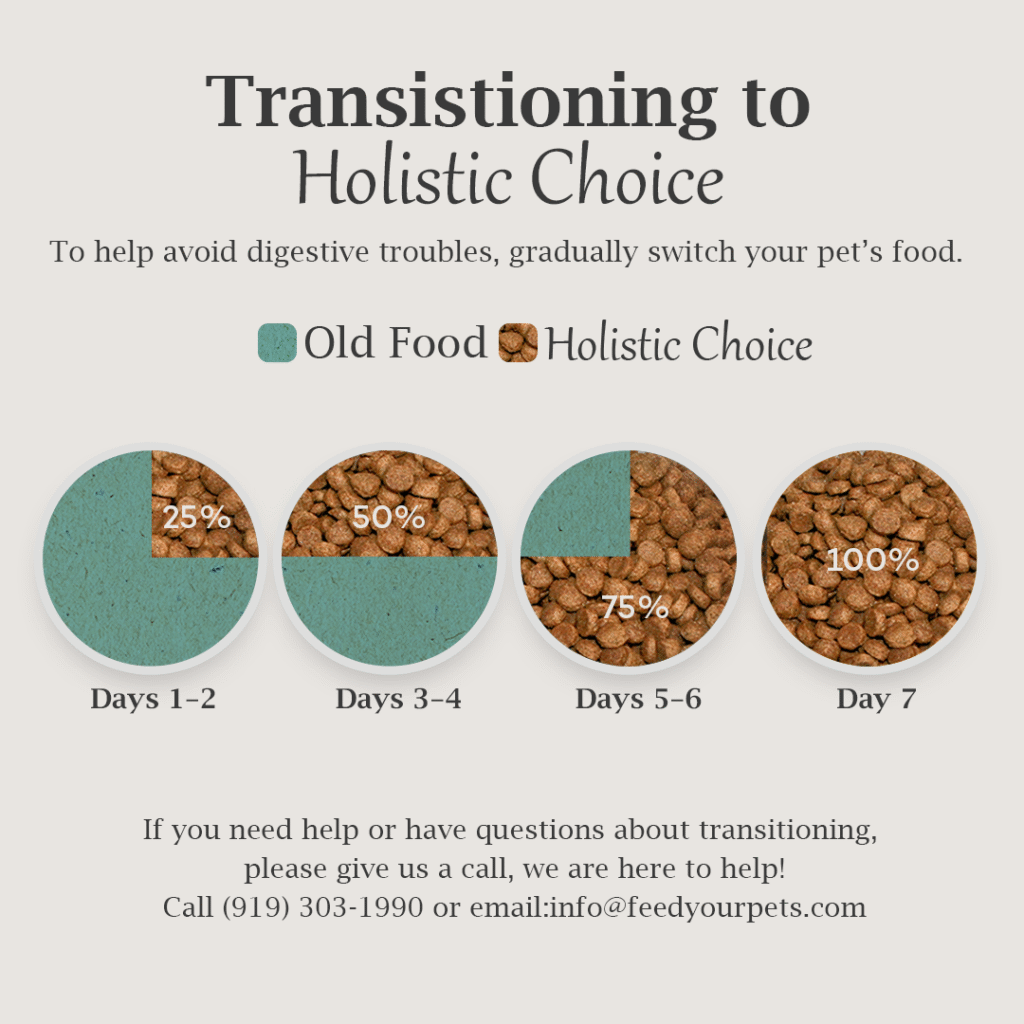
Your pet’s digestive system gets used to their current food—good or bad. It’s important to transition your pet to a new food slowly primarily to prevent digestive upset. A pet’s digestive system, including their gut bacteria and enzyme production, becomes accustomed to processing their current food. A sudden switch to a new formula with different ingredients or nutrient profiles can shock their system, often leading to symptoms like diarrhea, vomiting, gas, or constipation. A gradual transition, typically over 7-10 days, involves slowly mixing increasing amounts of the new food with decreasing amounts of the old food. This allows their gut microbiome and digestive processes the necessary time to adapt and adjust, minimizing the risk of gastrointestinal problems and ensuring your pet accepts the new food readily.
7-Day Transition Schedule
Day Old Food New Food 1-2 75% to 25% 3-4 50% to 50% 5-6 25% to 75% 7+ 0% to 100%
Our Tips for a Smooth Transition
• Stick to consistent feeding times. Routine helps reduce stress during the switch. • Avoid adding new treats or table scraps during the transition period. • Watch for signs of trouble: excessive scratching, vomiting, or diarrhea that lasts more than a day? Slow the transition or contact your vet.
Why Our Food Makes Transitions Easier
Our Holistic Choice products are slow-cooked, all-natural recipes that are made with real meat, wholesome grains, and no fillers or by-products—making them easier to digest and more appealing to even the pickiest pets. Many of our customers tell us their dogs or cats take to our food immediately—but we still recommend a gradual transition just to be safe.
Try a Free Sample First?
We offer free samples of our Holistic Choice products, delivered right to your door across the Triangle and Triad areas—so your pet can try before you buy! Just give us a call or request free samples here.
When it comes to keeping our dogs happy, healthy, and ready to zoom around the yard, good nutrition is key. You’ve probably heard a lot lately about collagen supplements for people lately— but did you know that collagen can also be a game-changer for your best friend? Let’s dig into the details (pun absolutely intended).
First Things First: What Is Collagen?
Collagen is a natural protein found in the body — think of it like the glue that holds everything together. It makes up a huge part of your dog’s skin, joints, bones, cartilage, and even their nails and fur! Collagen offers structure, strength and support to the connective tissue. As dogs (and humans!) get older, their natural collagen production slows down, leading to common issues like stiff joints, thinning coats, and less bounce in their step.
Is Collagen in Regular Dog Food?
Most commercial dog foods do have some collagen, especially if they use ingredients like chicken meal, beef meal, or fish. However, when foods are cooked at higher temperatures like most commercial dog foods are, much of the collagen is often broken down during the high-heat process — meaning your pup may not be getting nearly as much as they need just from their everyday meals. This is why many pet owners choose to supplement collagen to really give their dog’s body an extra boost.
Some Food for Thought: At The Pet Pantry we keep things cool — literally! Holistic Choice Pet Foods are slow cooked at lower temperatures to help lock in the good stuff like collagen, so your pet gets more of the natural nutrients they need to thrive.
Benefits of Collagen for Dogs
Adding collagen to your dog’s diet can offer some amazing benefits:
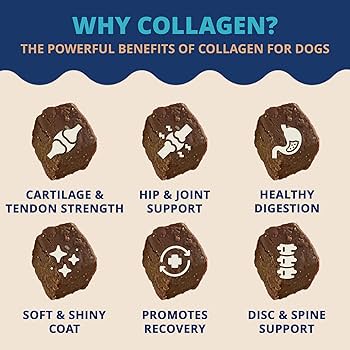
Stronger Joints and Mobility: Helps support healthy cartilage and reduces stiffness — perfect for older dogs or super active pups!
Healthier Skin and Coat: Promotes shinier fur and fewer skin issues like itchiness or dryness.
Stronger Nails and Teeth: Boosts overall dental and nail health.
Gut Health: Some types of collagens (especially types I and III) help support healthy digestion.
Picky Eaters: Collagen-rich foods can help stimulate your dog’s appetite because they are made from animal proteins.
In short, collagen for dogs can help them look, feel, and move better — and who doesn’t want that for their best friend?
Can All Dogs Benefit from Collagen?
The great news? Yes!
Collagen is generally safe for dogs of all ages and breeds.
• Puppies can benefit from collagen to support their rapid growth. • Adult dogs can use it to maintain strong joints and healthy skin. • Senior dogs especially appreciate the joint and mobility support.
That said, if your dog has specific health conditions (like kidney disease or severe food allergies), it’s always smart to check with your vet first before starting any new supplement.
How Can You Supplement Collagen?
Adding collagen to your dog’s diet is easy and tasty! Some popular options include:
• Collagen Chews or Treats: Yummy snacks packed with collagen — dogs love them! • Powdered Collagen Supplements: Easily mix into your dog’s food and some are even flavorless. • Bone Broth: Naturally rich in collagen, plus it’s super hydrating and delicious.
Bonus Tip: many supplements — even those not specifically labeled as collagen supplements — contain meaningful amounts of collagen! Look for whole-body health formulas, joint support supplements, or daily multivitamins for dogs. These can provide a collagen boost plus extra benefits like joint lubrication, skin support, and immune system health. Just make sure to choose high-quality supplements made specifically for dogs. Human collagen powders often contain additives or sweeteners that aren’t safe for pets. ________________________________________ Final Thought:
– If you want to help your dog move easier, look shinier, and feel better from the inside out, adding a little collagen could be a simple but powerful step. Talk about a glow-up for your furry best friend!
Imagine eating the same meal every single day—sounds simple, right? Many pets happily do just that, and if your pet loves their food, stick with what works. But know that rotating recipes occasionally can introduce new nutrients and flavors that keep them eager for every meal.
That’s the idea behind rotating foods for pets. Rotational feeding is the practice of regularly rotating your dog or cat’s food—changing the protein source, and sometimes even the recipe type—to promote better nutrition, reduce food sensitivities, and keep mealtime exciting.
At The Pet Pantry, we call it a “tail-wagging twist on nutrition.” We’ve seen firsthand how adding healthy variety can transform a pet’s appetite, digestion, and overall vitality.
Why Rotational Feeding Works
1. It Helps Prevent Food Sensitivities
Feeding the same protein every day for months or years can cause your pet’s immune system to become overexposed to that ingredient. Eventually, they may develop sensitivities or mild allergic reactions—itchy skin, ear issues, or upset tummies.
By rotating recipes (for example, from Chicken & Rice to Lamb & Rice, then to Salmon & Sweet Potato), you reduce that constant exposure and give your pet’s system a well-deserved break.
2. It Supports Better Gut Health
A healthy gut thrives on diversity. Just as humans benefit from varied diets, pets do too. Rotational feeding introduces new nutrients, fibers, and probiotics that support stronger digestion and a balanced microbiome.
All Holistic Choice® recipes are made with natural prebiotics and probiotics, which means your pet’s digestive system can easily adjust to recipe rotations.
3. It Keeps Mealtime Exciting
Even the most loyal eater can get bored. Rotating flavors adds an element of surprise that keeps tails wagging and whiskers twitching. A word of caution, changing foods too frequently can make for a picky eater.
If your dog or cat has suddenly become “picky,” a simple switch to a new recipe often reignites their enthusiasm. The slow-cooked aroma of our Holistic Choice® foods doesn’t hurt either!
4. It Encourages Complete Nutrition
Each protein offers unique nutritional benefits, such as amino acids profile:
Chicken & Turkey provide lean, highly digestible protein for strong muscles.
Lamb & Rice are gentle on sensitive stomachs.
Salmon & Sweet Potato deliver omega fatty acids for skin and coat health.
Buffalo & Duck offer novel proteins ideal for rotation and variety.
When you rotate, you give your pet the best of every bowl—a more balanced nutritional profile over time.
How to Start Rotational Feeding
Step 1: Choose Compatible Recipes
Start with recipes that share similar base ingredients (like grains or carbs). For example, switching between Holistic Choice® Chicken & Rice and Lamb & Rice is an easy first step. Once your pet adjusts, you can introduce grain-free options like Salmon & Sweet Potato.
Step 2: Transition Gradually
When introducing a new food, mix it in slowly:
Days 1–3: 75% old food, 25% new food
Days 4–6: 50/50 mix
Days 7–9: 25% old food, 75% new food
Day 10+: full transition
This gradual approach allows your pet’s digestive system to adjust comfortably.
Step 3: Monitor & Observe
Watch for changes in appetite, stool consistency, or energy levels. Most pets adapt quickly, but if you see persistent digestive upset, pause and consult your vet—or reach out to The Pet Pantry team for personalized guidance.
We love helping pet parents fine-tune their rotation plans. After all, every pet is unique!
Rotational Feeding for Cats
Cats can absolutely benefit from rotational feeding, too—though they can be a bit more… opinionated.
Many indoor cats grow bored with the same recipe and start eating less. Rotating between protein sources (like Chicken, Salmon, and Duck & Herring) can renew their interest and prevent “food fatigue.”
Cats also benefit from variety in texture—try mixing in a wet food topper or alternating dry kibble recipes for a more enriching dining experience.
Common Questions About Rotational Feeding
“Can I rotate between brands?”
It’s best to stick with one trusted brand that maintains consistent nutritional standards and ingredient quality. That’s why Holistic Choice® is ideal—every recipe is formulated with the same nutrient balance and slow-cooked method, so transitions are smoother.
“How often should I rotate?”
There’s no strict rule, but every 16 weeks is a good rhythm. Some pets do well changing recipes more or less frequently. Listen to your pet—they’ll tell you!
“Will changing foods upset my dog’s stomach?”
Not if you do it gradually and stick to quality, natural recipes like ours. Each Holistic Choice® formula is designed for easy digestibility, made with prebiotics, probiotics, and balanced omegas.
Why The Pet Pantry Makes It Easy
We’ve been helping local pets in the Triangle and Triad thrive for nearly 20 years, and rotational feeding has become one of our favorite success stories.
Here’s how we make it simple:
Personalized Guidance: Our team helps choose the right recipes and timing for your pet’s needs.
Free Samples: No risk. Try new recipes before you buy.
Free Delivery: Triangle & Triad, NC
A Sample Rotational Feeding Plan
Here’s an example rotation for a healthy adult dog:
Month
Recipe
Benefit
Grain-Inclusive Diet
Jan–April
Chicken & Brown Rice
Lean protein, high digestibility
May–August
Lamb & Brown Rice
Gentle on sensitive stomachs
Sept–Dec
Salmon & Brown Rice
Skin, coat, and joint support
Grain-Free Diet
Jan–April
Grain-Free Buffalo & Duck
Novel proteins for variety
May–August
Grain-Free Chicken/Turkey/Salmon
Great for active dogs
Sept–Dec
Grain-Free Salmon & Sweet Potato
Omega-rich winter coat boost
Switch up as needed based on your pet’s taste and lifestyle.