

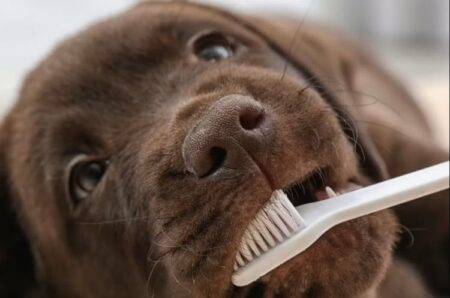
Dental Health for Dogs: Why It Matters More Than You Think
23 February 2026
by Dr. Jacqueline Ansel, DVM, MVetSci
Dental health for dogs plays a critical role in your dog’s overall well-being, yet dental disease in dogs remains one of the most common medical conditions I see in veterinary practice. By the age of three, most dogs show signs of dental disease — often without obvious symptoms at home.
As a veterinarian, I see firsthand how preventable dental problems can affect a dog’s comfort, behavior, and long-term health. The good news is that with proper prevention and care, dogs can maintain good dental health well into their senior years.
How Dental Disease Affects Dogs
Dental disease in dogs is more than bad breath. As plaque and tartar build up along the gumline, inflammation and infection can develop, leading to pain and damage to the tissues that support the teeth. Dogs are remarkably good at hiding discomfort, so dental disease often goes unnoticed until it becomes more advanced.
Common effects of poor dog dental health include:
- Difficulty chewing or dropping food
- Decreased appetite or unintended weight loss
- Reduced energy or lethargy
- Behavioral changes such as irritability or withdrawal
Infected gums can also allow bacteria to enter the bloodstream. Over time, this chronic inflammation has been associated with stress on vital organs such as the heart, liver, and kidneys, and may negatively affect overall longevity.
At-Home Dental Care for Dogs
Daily dental care for dogs is the foundation of prevention. Disrupting plaque before it hardens into tartar can significantly slow the progression of dental disease.
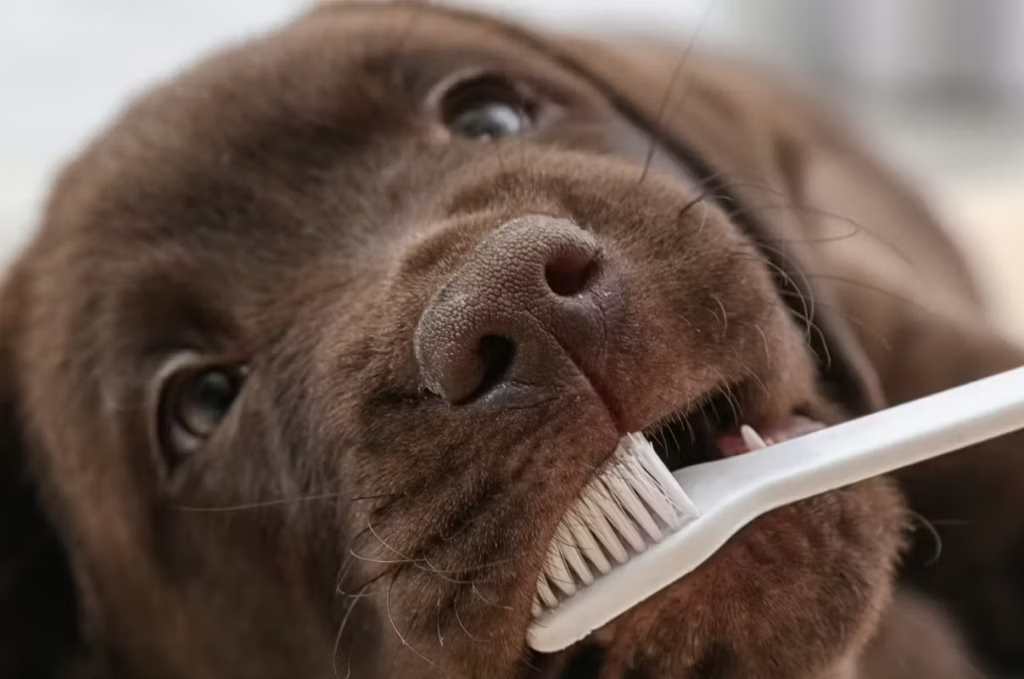
Brushing your dog’s teeth is the gold standard, but I understand that it isn’t realistic for every dog or every household. For dogs that resist brushing, dental wipes can be a helpful alternative. When choosing dental products, look for those approved by the Veterinary Oral Health Council (VOHC), as these products have been shown to reduce plaque and tartar.
Many families also find that offering a VOHC-approved dental chew or treat after cleaning helps reinforce positive habits and makes dental care part of a routine dogs look forward to.
Professional Dental Care for Dogs (COHAT)
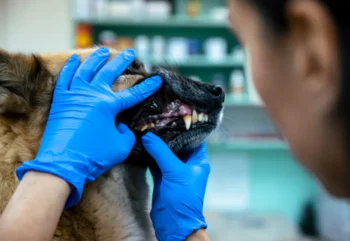
Even with excellent home care, many dogs benefit from periodic professional dental cleanings, known as Comprehensive Oral Health Assessment and Treatment (COHAT) procedures.
About two-thirds of each tooth lies below the gumline, where disease cannot be seen during a simple visual exam. Dental radiographs (full-mouth X-rays) are essential for identifying hidden disease and guiding appropriate treatment.
Before anesthesia, bloodwork is performed to evaluate organ function and ensure your dog is a safe candidate for the procedure. During a COHAT, dogs are placed under general anesthesia so a thorough, stress-free examination and cleaning can be completed while vital signs are closely monitored.
What Happens During a COHAT?
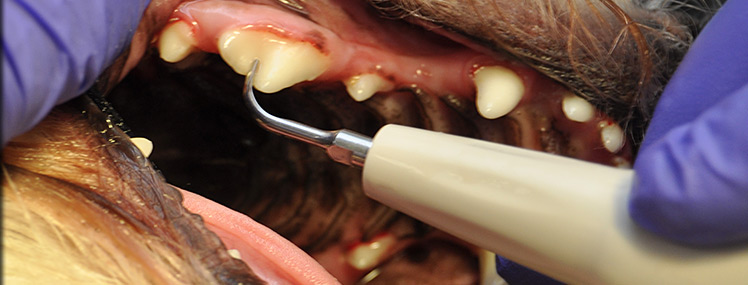
A professional dental cleaning for dogs typically includes:
- Full-mouth dental radiographs to detect disease below the gumline
- Periodontal probing and charting to assess gum health and tooth stability
- Ultrasonic scaling to remove plaque and tartar above and below the gumline
- Polishing to smooth the enamel and slow future plaque buildup
This level of care allows veterinarians to identify and treat dental problems that simply cannot be addressed while a dog is awake.
Extractions (When Needed)
Some dental conditions require tooth removal to relieve pain and eliminate infection. Extractions may be recommended for fractured teeth, abscesses, root abnormalities, severe periodontal disease, or painful pulp exposure.
Although extractions can sound concerning, most dogs recover quickly and often feel noticeably better once painful or infected teeth are removed. Dogs adapt very well and are far more comfortable without diseased teeth than with them.
The Takeaway on Dental Health for Dogs
Dental health is not optional—it is a vital part of your dog’s overall comfort, health, and quality of life. With consistent at-home care and appropriate veterinary dental evaluations, you can help your dog stay comfortable, active, and happy for many years to come.
About the Author
About Dr. Jacqueline Ansel
Dr. Jacqueline Ansel is a veterinarian with advanced training in veterinary dentistry and a passion for improving comfort and quality of life for dogs and cats. Through her clinical work and education efforts, she focuses on helping pet parents understand dental health in clear, practical ways—so problems can be identified earlier and pets can live healthier, pain-free lives.
She is also the founder of Fur & Floss, a nonprofit organization dedicated to improving dental health for shelter and rescue animals through access to professional dental care and education. By addressing painful dental disease that often goes untreated, Fur & Floss helps pets become more comfortable, adoptable, and ready for their forever homes.
You may also be interested in

5 March | 10 min to read
3 October | 10 min to read
2 October | 10 min to read

1 October | 10 min to read
1 October | 10 min to read
26 September | 10 min to read