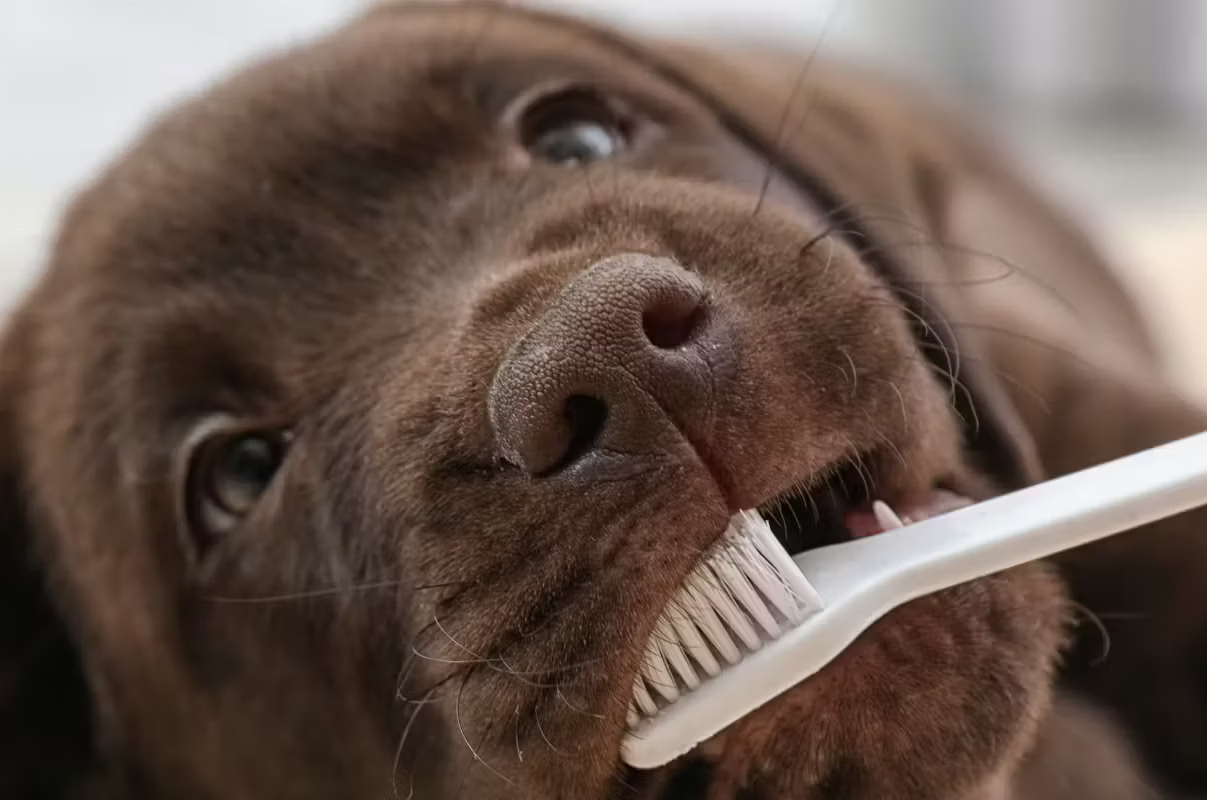
Pet Dental Health

A healthy mouth supports whole-body wellness.

The information on this page was created with guidance from a consulting veterinarian.
The Pet Pantry provides nutritional guidance and product education.


Jacqueline Ansel, DVM, MVetSci (Conservation Medicine)

Dr. Ansel is a veterinarian, conservation professional, and the Founder & CEO of Fur and Floss: The Veterinary Dental Nonprofit. She is dedicated to advancing both individual and population health through a holistic, compassionate approach to veterinary medicine. Dr. Ansel practices Fear Free care to support the mental and emotional well-being of every patient, with special interests in internal medicine, dentistry, and urgent care.

Guided by the principle of Oneness, Dr. Ansel views the health of animals, people, and ecosystems as deeply interconnected. Her perspective has been shaped by wildlife and veterinary work across multiple continents and continues to inform her clinical practice, leadership, and conservation efforts. Passionate about lifelong learning, travel, and cultural immersion, she is committed to influencing global health and conservation strategies that honor the unity of all life.


Fur & Floss Veterinary Dental Nonprofit

Why your pet's dental health matters

A healthy mouth supports comfort, appetite, and long-term wellness.

Pet dental health is an essential part of your dog or cat’s overall well-being. Dental health for dogs and dental health for cats both involve more than fresh breath or clean-looking teeth. The mouth plays a direct role in comfort, appetite, and long-term health.

Dental problems often begin below the gumline, long before visible signs appear. Understanding how dental health works and how to support it  helps pet parents take proactive, compassionate care of their pets.

Dental health affects more than the teeth. Supporting oral health helps support the whole body.
Learn more on why it matters

Understanding pet dental health

Most dental problems develop gradually and out of sight. Healthy teeth and gums depend on daily plaque control. When plaque is not disrupted, it can harden and irritate the gums, leading to inflammation and infection below the gumline. This is where most dental health problems begin.

How dental disease develops

Learn more
Plaque forms naturally on the teeth every day
Tartar hardens when plaque is not removed, irritating the gums
Gum inflammation can develop even when teeth look fairly clean
Problems progress below the gumline, affecting tooth roots and bone
Visible buildup is usually a later sign, when pain and infection may already be present
pet food for dogs

Bad breath is often an early warning sign, not just a nuisance.

If you can see tartar, there may already be inflammation beneath the gums.

Can pet dental health be prevented?

While not every problem can be avoided, risk can be reduced. No routine guarantees perfect teeth for life. But dental health for dogs and dental health for cats both benefit from regular home care and professional veterinary evaluation. The goal is not perfection, but consistency.

What supporting dental health really looks like

Daily brushing is the gold standard, but consistency matters more than perfection
Dental chews and diets can support plaque control when used regularly
Water additives, wipes, and gels can help when brushing isn’t realistic
Professional dental evaluations remain essential
Small daily efforts add up over time

Consistency:

One habit done daily is better than a perfect plan that never happens.

Dental health for dogs and cats, what's different?

Dental health affects both, but it doesn’t always look the same. Dogs and cats experience dental health challenges differently. Understanding these differences helps pet parents spot issues sooner and choose prevention strategies that fit their pet’s needs.

Key differences between dental health for dogs and cats

Learn more
Dogs often show visible tartar and bad breath earlier than cats do.
Small-breed dogs may be at higher risk due to crowded teeth
Cats frequently hide dental pain and may show subtle behavior changes.
Cats are prone to tooth resorption, which requires veterinary care
Both benefit from early, consistent dental routines
Watch how they eat, not just if they eat

Tips:

For dogs, dental chews and appropriate chewing can help reduce buildup, but very hard chews can increase the risk of cracked or broken teeth.
Cats may keep eating even when their mouths are painful. Watch how they eat, not just if they eat.

Dental health signs your pet may be showing

Dental health concerns are often subtle, not dramatic. Pets are very good at adapting to discomfort. Knowing the early signs can help you address issues before they become more serious. If you notice any of these signs, or if something about your pet’s eating or behavior feels off, a veterinary exam is recommended.

Common signs to watch for

Learn more about pain
Persistent bad breath
Red, swollen, or bleeding gums
Drooling or pawing at the mouth
Changes in chewing or food preferences
Visible tartar or loose teeth

Bad breath isn’t always dental. In some pets, digestion or food sensitivities can also play a role.

A realistic at-home dental routine

Dental Care should fit into real life

Learn more
The most effective dental routine is one you can maintain
Whether brushing, dental chews or other supportive tools, the goal is regular plaque disruption without stress for you or your pet
Every step you take, no matter how small, helps support your pet's comfort and long-term health

Short sessions done often work better than long, stressful ones.

Choosing dental products that actually help

Not all dental products are created equal. Dental marketing can be confusing. Looking for evidence-based tools can help you avoid gimmicks and focus on what truly supports oral health.

Dental products should:

Learn more
Support plaque control, not just fresh breath
Safe for frequent or daily use
Appropriate texture and hardness
Backed by veterinary guidance or evidence

Fresh breath alone doesn’t mean a product is improving dental health.

Dental health tips

You don’t have to do everything perfectly. Paying attention, making thoughtful choices, and taking small steps consistently all help support your pet’s comfort and well-being.

Small, consistent habits can make a meaningful difference over time.

Dental care products
Begin dental care early, even with puppies and kittens
Choose chews and tools to your pet’s size and chewing style
Avoid very hard chews that may increase the risk of tooth fractures
Watch for changes in eating, chewing or food preferences
When something doesn't seem right, your veterinarian is the best rescource

F.A.Q.'s

What are the signs my pet may have dental problems?
Common signs include persistent bad breath, red or irritated gums, drooling, pawing at the mouth, changes in chewing, or visible tartar on the teeth. Pets often hide discomfort, so subtle changes in eating behavior or mood can also be important clues.
How often should I brush my pet’s teeth?
Daily is ideal, but even a few times per week can be helpful.
Do dental chews really work?
Some do when used consistently and appropriately.
Is bad breath normal?
Occasional odor can happen, but persistent bad breath often signals a problem.
Can dental disease affect overall health?
Yes. Oral infection and inflammation can contribute to broader health concerns over time.
How much does a professional dental cleaning cost for a dog or cat?
The cost of a veterinary dental cleaning can vary widely based on your pet’s size, age, health, and what’s found during the procedure. In general, pet parents often see a range of several hundred dollars to over a thousand dollars.
Why does a professional dental cleaning cost so much?
A veterinary dental cleaning includes pre-anesthetic bloodwork, anesthesia and monitoring, dental X-rays, and treatment based on the amount of tartar or infection present. If extractions or additional care are needed, this can also affect the cost. Your veterinarian can provide the most accurate estimate based on your pet’s individual needs.
How often does my dog or cat need a professional dental cleaning?
There isn’t a one-size-fits-all answer. Some pets may need cleanings more frequently than others based on breed, age, and oral health. Regular veterinary exams help determine when a cleaning is needed and allow issues to be addressed earlier.
Is anesthesia necessary for a pet dental cleaning?
Yes. Anesthesia allows the veterinarian to clean both above and below the gumline, take dental X-rays, and fully assess the mouth while keeping your pet safe and comfortable. Most dental disease occurs below the gumline and cannot be properly evaluated or treated without anesthesia.

Dogs and cats: understanding the differences

Key differences between dogs and cats

Dogs often show visible tartar and bad breath earlier than cats do

Dogs, especially as they age, plaque and tartar buildup are more likely to be obvious on the teeth, and bad breath is often one of the first noticeable signs. While this can make dental issues easier to spot, it can also create a false sense of timing. By the time buildup is clearly visible, disease may already be developing below the gumline.

Changes in preferences and chewing.

Pets with dental discomfort may begin avoiding hard foods, crunchy treats, or favorite toys they once enjoyed. Some may switch to softer options, chew more slowly, or seem less interested in chewing altogether. These changes can be subtle and are often a sign that the mouth may be uncomfortable.

Small-breed dogs may be at higher risk due to crowded teeth

Smaller dogs often have the same number of teeth as larger dogs, but in a much smaller jaw. This crowding makes it easier for plaque to collect and harder for natural chewing to clean tooth surfaces. As a result, small-breed dogs often need more consistent dental care, not less.

Cats frequently hide dental pain and may show subtle behavior changes

Cats are experts at masking discomfort. Dental pain in cats often shows up as quiet changes rather than obvious signs. They may eat more slowly, chew differently, swallow food whole, or become less social or playful. Because these changes can be subtle, dental disease in cats is often more advanced by the time it’s discovered.

Cats are prone to tooth resorption, which requires veterinary care

Tooth resorption is a common and painful condition in cats where the body begins to break down the tooth structure, often starting below the gumline. These lesions are not visible during a quick mouth check and usually require dental X-rays for diagnosis. Once present, veterinary treatment is necessary to relieve pain and prevent progression.

Cats rely more on professional dental care

Cats do not chew as much as dogs so they benefit less from chewing-based prevention. Dental X-rays and professional exams are especially critical for cats due to resorptive lesions.

Both dogs and cats benefit from early, consistent dental routines

Starting dental care early helps pets become more comfortable with handling and slows plaque buildup before disease becomes established. Consistent routines, even if simple, are more effective over time than occasional or reactive care once problems appear.

Watch how they eat, not just if they eat

Many pets continue eating despite dental pain. Dropping food, chewing on one side, avoiding hard items, or taking longer to finish meals can all be signs of oral discomfort. Changes in how a pet eats often provide more useful clues than whether they eat at all.

Your attention and awareness play a meaningful role in your pet’s comfort and well-being.

Building a Sustainable Routine

Building a Routine

Start with what your pet will tolerate
Focus on consistency over intensity
Introduce brushing gradually if possible
Use dental products designed for pets
Adjust the routine as your pet ages

There’s no perfect routine — the best dental care plan is one that works for you and your pet and can be maintained over time.

Consistency matters more than perfection.

What to look for in dental products

Products designed to reduce plaque and tartar

Look for products that are intended to disrupt plaque or slow tartar buildup, not just cover up odor.

Clear guidance on how to use the product

Dental products only work when used as directed. Products that specify daily or routine use help set realistic expectations and support consistency.

Acceptance or testing by veterinary and health organizations

Products supported by veterinary guidance or accepted by recognized oral health organizations help filter out gimmicks and focus on what actually improves oral health.

Appropriate sizing and texture for your pet

Chews, brushes, and tools should match your pet’s size, age, and chewing style. Items that are too small may be swallowed, while overly hard products can increase the risk of tooth fractures.

Safety for long-term use

Dental care is ongoing. Products should be safe for frequent or daily use and designed specifically for pets, not adapted from human dental products.

Fresh breath alone doesn’t mean dental disease is being addressed.

Understanding how dental disease develops

Dental disease develops gradually and often out of sight, below the gumline.
1) Plaque buildup (early stage)

Plaque is a soft film of bacteria, food particles, and saliva that naturally coats the teeth. It begins forming within hours and needs regular disruption.

Plaque forms daily on the teeth
Gums may look normal or only mildly irritated
Pain is unlikely at this stage
2) Gingivitis (early inflammation)

When plaque isn’t removed, it hardens into tartar. Tartar sticks firmly to teeth and creates ongoing irritation along the gumline.

Gums become red and inflamed at the gumline
Damage is still limited to the gums
Discomfort may begin, but pain is often mild and intermittent
This stage can sometimes be improved with consistent care
3) Early periodontal disease

Irritated gums can become red, swollen, and sensitive. At this stage, damage may still be slowed or improved with consistent care.

Infection moves below the gumline
Gums start to separate from the teeth, forming pockets
Pain and infection are commonly present, even if subtle
Pets may chew differently or favor one side
4) Moderate to advanced periodontal disease

Bacteria can move under the gums, affecting tooth roots and the bone that supports the teeth. This damage often isn’t visible from the surface.

Infection affects tooth roots and supporting bone
Tooth loss, abscesses, and significant inflammation may occur
Pain is very likely and often chronic
Pets may still eat but are often coping rather than comfortable

By the time tartar is clearly visible, many pets are already in early or moderate periodontal disease, where pain and infection are often present, even if they aren’t obvious.

Remember: This is About Health, Not Shame

Small changes can make a big difference!

Signs your pet may be in pain

Dental discomfort is often subtle, not dramatic.

Common signs to watch for

Persistent bad breath
Red, swollen or bleeding gums
Drooling or pawing at the mouth
Avoiding hard food, treats or chews
Changes in mood, energy or behavior

What to do if something doesn’t seem quite right, trust your instincts. A veterinary exam is the best way to determine whether dental pain may be affecting your pet.

Pain symptoms can be very suttle. Cats are especially good at hiding that they are in pain.

Why your pet's dental health matters

Poor pet dental health can cause chronic oral pain that pets instinctively hide

Dental pain is often ongoing rather than sudden. Because dogs and cats are wired to mask discomfort, many continue eating and acting “normal” even when their mouths hurt. This means dental pain frequently goes unnoticed until it becomes more advanced.

Infection in the mouth can allow bacteria to enter the bloodstream

When gums are inflamed or infected, bacteria can move from the mouth into the bloodstream. Over time, this can contribute to systemic inflammation and place added strain on the body beyond the oral cavity.

Ongoing inflammation has been linked to stress on the heart, kidneys, and liver

The mouth is not separate from the rest of the body. Chronic oral inflammation has been associated with increased stress on major organs, particularly the heart, kidneys, and liver. Supporting dental health helps reduce this inflammatory burden.

Dental discomfort can affect appetite, chewing, and behavior

Pets with dental pain may chew more slowly, favor one side of the mouth, avoid hard foods or treats, or change how they eat altogether. Some pets also show behavioral changes such as irritability, reduced playfulness, or lower energy as they cope with discomfort.

Advanced dental problems can lead to tooth loss and reduced quality of life

The mouth is not separate from the rest of the body. When dental issues progress unchecked, infection and bone loss can weaken the structures that support the teeth. This may result in loose or painful teeth that ultimately need to be removed, affecting comfort and daily enjoyment.

Early dental health support helps protect comfort and long-term wellness

Addressing dental health early helps slow disease progression, reduce pain, and support overall well-being. Simple, consistent care combined with veterinary evaluation often leads to better comfort and fewer complications over time.

Every effort you make to support your pet’s dental health helps protect their comfort and well-being, now and in the years ahead.