Pros, cons, and a simpler approach that works for real life.
Rotational feeding for dogs is a popular topic in pet nutrition. Some dogs benefit from variety. Others do best when their food stays consistent.
At The Pet Pantry, we take a practical, dog-first approach.
There is no perfect food for all dogs. But there is a perfect diet for your dog.
What is rotational feeding?
Rotational feeding means changing what your dog eats over time instead of feeding the same food long-term.
Rotation can include switching proteins, recipes, brands, food formats, or additions to the meal. Some pet parents rotate on a schedule, while others rotate only when availability or needs change.
The goal is variety, but how that variety is introduced (and how much change a dog can handle) makes all the difference.
For dogs with sensitive stomachs, skin issues, weight concerns, or a history of pancreatitis, full-rotational feeding often creates more problems than it solves.
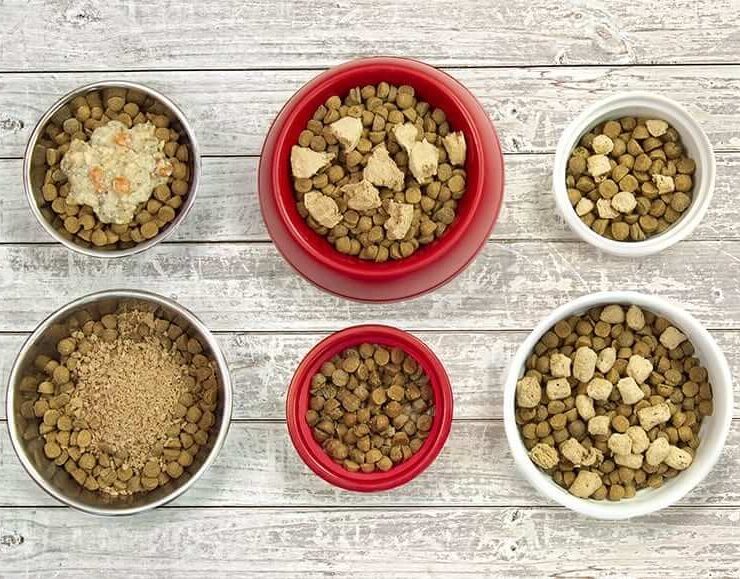
Toppers for Dogs
A simple way to add variety without changing the whole meal.
Types of Toppers
Canned or wet food
Freeze-dried or gently cooked proteins
Fresh or Frozen
Bone broth
Functional toppers
Used thoughtfully, toppers can add interest, flexibility, and nutritional support, without disrupting digestion or calorie control.
Some dogs handle frequent change beautifully. They have resilient digestion and thrive on variety. In those cases, rotational feeding can work but it should still be: intentional, slow and based on how the dog responds, not a rigid schedule.
When is rotational feeding not a good idea?
Rotational feeding is often not ideal for dogs with:
Sensitive digestion or chronic loose stool
A history of pancreatitis
Weight management challenges
Ongoing skin or ear issues that need troubleshooting
Medical diets where consistency matters
In these cases, consistency is usually more helpful than variety.
Want help choosing the right approach?
If you’re wondering what diet makes the most sense for your dog, we’re happy to help. We work with dogs every day across the Triangle and Triad areas of North Carolina, and we’ll help you build a plan that fits your dog, not a feeding trend.
Let’s Find the Right Diet for Your Dog
No trends. No pressure. Just a plan that fits your dog’s needs.
Nutrition Guidance
F.A.Q.'s
Should I rotate my dog’s food?
It depends on the dog. Some dogs handle variety well and enjoy it. Others do better with a consistent diet and get digestive upset when foods change. If your dog is doing well; good energy, healthy weight, and firm stools there’s usually no reason to rotate just for the sake of rotation.
Is rotational feeding better than feeding one consistent food?
Not necessarily. For many dogs, a consistent, well-tolerated food leads to better digestion and easier weight management. Rotational feeding can work for some dogs, but it isn’t automatically better and it isn’t required for good nutrition.
What are the benefits people associate with rotational feeding?
Pet parents often rotate foods to: offer protein variety, keep meals interesting, make future food changes easier, avoid relying on one single recipe, add flexibility if a food becomes unavailable
These benefits can be real for some dogs, but they’re not guaranteed and they’re not necessary for every dog.
Can rotational feeding cause digestive problems?
Yes. Digestive upset is the most common issue we see with rotational feeding. Loose stools, gas, and vomiting often show up when changes happen too quickly or too often. Dogs with sensitive stomachs usually do better with consistency.
Is rotating proteins important for my dog?
Protein variety is often cited as a benefit of rotational feeding, but many high-quality foods already contain multiple protein sources. If your dog’s food includes more than one protein, they may already be getting that variety without needing to rotate diets.
Is rotational feeding good for picky eaters?
Sometimes—but it can also backfire. For some dogs, frequent changes actually encourage pickiness. A simpler approach is keeping the base food consistent and using small, rotating toppers to add interest without changing the whole meal.
What is The Pet Pantry’s recommended approach to rotational feeding?
We usually suggest a modified approach: Keep one consistent, nutritionally complete kibble and rotate toppers in small amounts. This allows for variety while keeping digestion, calories, and troubleshooting manageable.
Are toppers considered rotational feeding?
They can be. Rotating toppers is a gentler way to add variety compared to rotating full meals. The key is using small amounts and keeping ingredients simple so toppers enhance the diet rather than overpower it.
Can rotational feeding help prevent food allergies?
There’s no strong evidence that rotational feeding prevents food allergies. In fact, frequent rotation can make it harder to identify what’s causing itching, ear issues, or digestive problems if symptoms develop.
How often should I rotate my dog’s food or toppers?
There’s no universal schedule. Some dogs do well with occasional changes, others need long-term consistency. If you rotate, do it slowly and one change at a time so you can see how your dog responds.
If my dog is doing well, should I still rotate foods?
Not necessarily. A dog that’s maintaining a healthy weight, has good energy, and produces firm stools isn’t “missing out” by eating the same food long-term. Sometimes the best plan is staying the course.
Can you help me decide what’s best for my dog?
Absolutely. If you’re unsure whether rotational feeding, topper rotation, or full consistency makes the most sense, we’re happy to talk it through. We’ll help you choose a plan based on your dog—not a feeding trend.
The Pet Pantry Rotational Plan: The Whys
This adjusted approach gives pet parents the benefits they’re hoping to get from full rotational feeding, without the common downsides.
Why we start with a consistent base kibble:
A high-quality, nutritionally complete kibble is designed to do the heavy lifting. It provides:
Complete & balanced nutrition every day
Predictable calories and fat levels
Consistent digestion
A stable foundation you can rely on
Keeping the base food the same makes it easier to:
Maintain a healthy weight
Monitor stool quality and energy
Identify when something isn’t working
Make adjustments without starting over
Where variety fits: rotating toppers instead of rotating the whole meal
Toppers allow you to add interest and variety while keeping the core diet steady. Used correctly, rotating toppers can:
Keep meals engaging for dogs who get bored
Support appetite without frequent food changes
Offer limited protein variety
Add flexibility without upsetting digestion
Benefits for your dog, it helps:
Maintain digestive stability
Provides controlled protein variety
Reduce the risk of creating a picky eater
Keep calorie and fat levels predictable
Provide variety in a way dogs can actually handle
Make troubleshooting easier if an issue arises
Benefits for you, it means:
Simplicity in daily feeding - less stress and guesswork
Easier portion control and weight management
A structured approach that’s easy to maintain long term, a foundation you can rely on
Flexibility to adjust without disrupting the entire diet
Managing variety without dramatically increasing your food budget
Health Benefits of feeding kibble:
Dental health
Predictable calories and fat levels
Consistent digestion
A stable foundation you can build on
Well-formulated recipes already provide built-in protein variety
Sometimes the best plan isn’t more change, it’s the right amount of change.
The Pet Pantry Perspective
Potential benefits explained
Protein variety over time
Advocates of rotational feeding often point to protein variety as a key benefit. The idea is that exposing dogs to different animal proteins over time may support broader nutrient intake and reduce dependence on a single protein source. In practice, this benefit depends heavily on the foods being used. Many high-quality recipes already include multiple protein sources, which means dogs may be getting protein variety without rotating diets. For dogs eating multi-protein foods, additional protein rotation may offer little added benefit.
Reduced boredom at mealtime
Some dogs lose interest in meals when they’re fed the same food day after day. Rotational feeding is sometimes used to keep meals feeling new and exciting. While variety can help certain dogs stay engaged, frequent food changes can also create new challenges—especially for dogs prone to picky behavior. For many households, small additions like rotating toppers provide enough novelty without changing the entire diet.
Easier transitions if a food needs to change
One argument in favor of rotational feeding is that dogs who are used to variety may handle food changes more easily when a switch becomes necessary. Dogs that have experienced gradual, thoughtful changes in the past may adapt more smoothly than dogs who have only ever eaten one food. However, even rotation-friendly dogs still benefit from slow transitions when switching diets.
Flexibility when a product is unavailable
Rotational feeding can offer peace of mind when a preferred food is temporarily out of stock or discontinued. Dogs that tolerate multiple foods may adjust more easily to a substitute. That said, flexibility can also be achieved by having a backup food or topper that works well—without fully rotating the diet on an ongoing basis.
Avoiding reliance on a single formula
Some pet parents worry that feeding one food long term creates overreliance on a single recipe or ingredient profile. Rotational feeding is sometimes seen as a way to spread nutritional “risk” across multiple foods. However, if a dog is doing well on a balanced, well-formulated diet, there’s no inherent downside to consistency.
Supporting long-term adaptability
Advocates of rotational feeding often describe it as a way to help dogs become more adaptable eaters over time. Dogs that experience controlled variety may be less stressed by change later in life. However, adaptability varies widely by individual dog, and many dogs remain flexible eaters even with consistent diets—especially when transitions are handled thoughtfully.
These potential benefits can be real for some dogs but they are not universal, and they’re not required for good nutrition. That’s why we focus on the individual dog, not the feeding philosophy.
The Pet Pantry Perspective
Types of rotational feeding
Here are the most common approaches we see and what they're good for.
Protein rotation (most common)
Rotate proteins (ex: chicken → lamb → fish) while keeping the format similar. Best for: healthy adult dogs, many cats, picky eaters, long-term flexibility.
Brand/recipe rotation
Rotate between different brands of foods or recipes from the same brand of food. Best for: households that want options without major changes.
Format rotation
Kibble + canned on alternating days, or kibble with a balanced “meal topper” a few times a week. Best for: pets that need extra appetite support or hydration emphasis.
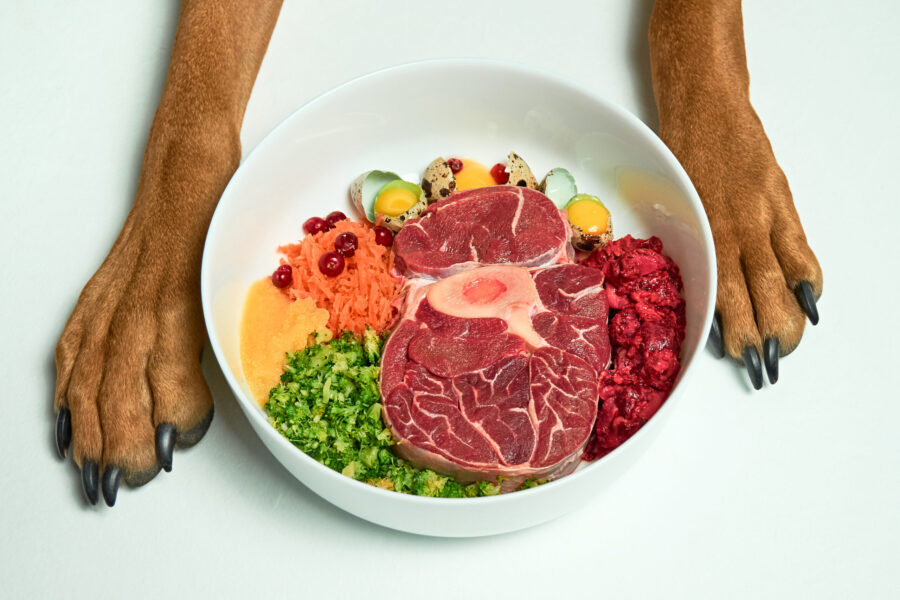
Rotation with fresh, freeze-dried, or raw-style foods
This can work but it requires more care. “Raw” in particular brings food safety and balance concerns if it’s not professionally formulated. If you go this route, we strongly recommend sticking to reputable, complete-and-balanced options and using smart handling.
If a dog is thriving, there’s usually no reason to change the foundation just to add variety.
The Pet Pantry Perspective
Potential Drawbacks of rotational feeding
Digestive upset during transitions
Frequent food changes are the most common reason dogs experience digestive upset when rotational feeding. Even high-quality foods differ in fat levels, fiber types, and ingredient structure, which can stress a dog’s digestive system. Loose stools, gas, and occasional vomiting often appear when transitions happen too quickly or too often. Some dogs adapt well, but many do best with longer periods of consistency.
Creating a picky eater
Frequent changes can teach some dogs to hold out for something “better.” Instead of improving enthusiasm, rotational feeding can unintentionally encourage selective eating or meal refusal. Dogs quickly learn patterns, and some will skip meals if they expect a different option to appear.
Difficulty identifying food sensitivities
When multiple foods, proteins, and toppers are rotated, it becomes harder to pinpoint what’s causing itching, ear issues, or digestive problems if symptoms appear. Instead of narrowing the issue, rotation can blur the picture—leading to more changes and more confusion. For dogs with suspected food sensitivities, consistency is often the most useful diagnostic tool.
Inconsistent stool quality
Stool quality is one of the easiest ways to tell how a dog is responding to a diet. With rotational feeding, changes in fiber, fat, and digestibility can lead to stool that fluctuates between firm and soft. Inconsistent stools aren’t always dangerous, but they can be a sign that the digestive system is working harder than it needs to.
Accidental overfeeding or calorie creep
Rotating foods and toppers can make it easy to unintentionally increase calories. Different foods have different calorie densities, and rotating them without adjusting portions can lead to gradual weight gain. This is especially common when kibble, canned food, toppers, and treats are all rotated together.
Higher fat intake than intended
Many foods—especially canned, fresh, and freeze-dried options—are higher in fat than standard kibble. When these foods are rotated or layered without careful planning, fat intake can creep up quickly. For dogs with pancreatitis history or fat sensitivity, this can be a serious concern.
Added complexity without clear benefit
Rotational feeding often adds layers of decision-making: which food, which protein, how much, and when to switch. For many households—and many dogs—this complexity doesn’t lead to better outcomes. A simpler, consistent plan is often easier to manage and just as effective.
These risks don’t mean rotational feeding is wrong—but they do explain why it’s not always the best starting point.
The Pet Pantry perspective
Types of Toppers
If you like the idea of rotational feeding but don’t want to change your dog’s entire diet, toppers are a great way to start.
Before choosing one, ask yourself: What am I trying to accomplish? Start with the outcome you want, then choose the topper that supports it.
Add protein variety?
Support a specific health concern?
Encourage a picky eater?
Add moisture?
Boost calories?
Other reason?
Things to consider when choosing a topper:
Portion size matters: Toppers should enhance the meal, not replace it.
Watch calories: Many fresh, frozen and freeze-dried toppers are calorie dense.
Watch fat levels: Higher fat toppers can cause digestive upset.
Keep ingredients simple: The more ingredients you rotate at once, the harder it is to identify what's working or not working.
Introduce slowly: Sudden changes can cause loose stools.
Types of Toppers
Canned or wet food: A spoonful of compatible canned food can boost aroma and palatability. Great for picky eaters or dogs who need a little encouragement at mealtime.
Freeze-dried or gently cooked proteins: Single-ingredient or limited-ingredient protein toppers can provide variety in a controlled way. These are easy to portion and work well when you want protein variety without changing the base food.
Bone broth: Plain, low-sodium bone broth (no onions, no added seasoning) can add moisture and flavor—especially helpful for dogs who prefer softer meals.
Fresh or frozen gently cooked foods can be used in small amounts as a topper rather than a full meal replacement. These often increase aroma and moisture, which can help with enthusiasm at mealtime. Because many fresh options are higher in fat or calories, portion size and balance matter.
Functional additions: These toppers may include digestive support blends, joint support mixes, or skin and coat formulas. When used appropriately, they can support specific goals without changing the base diet.
Toppers give you flexibility without sacrificing stability.