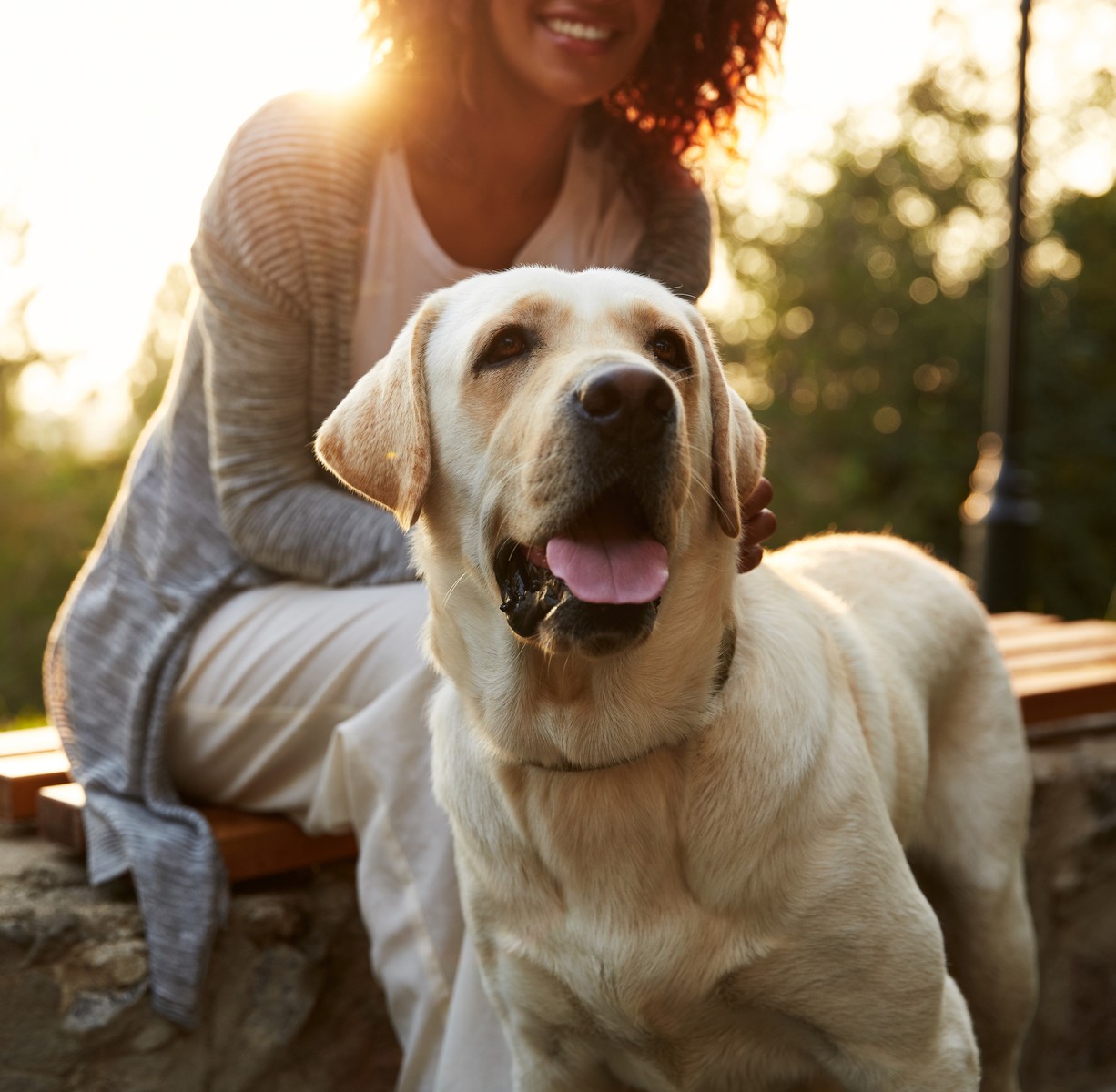
Growing older doesn’t mean slowing down completely. With the right care, many dogs stay active, curious, and full of personality well into their senior years.
One of the best things you can do for a senior dog is increase preventative care. Regular monitoring and small lifestyle adjustments can prevent many common senior-dog health problems or help catch them early.
Maintain a Healthy Weight
Keeping your dog lean is one of the most important things you can do for long-term health.
Extra weight puts additional strain on joints, the heart, and internal organs. Even a few extra pounds can make arthritis and mobility problems significantly worse.
Maintaining proper nutrition and regular activity helps senior dogs stay comfortable and active.
Support Mobility with Regular Exercise
Older dogs still need daily activity, but the type of exercise may change.
Short, consistent walks are usually better than long or intense activity. Gentle movement helps keep joints flexible and muscles strong.
Swimming, light play, and controlled exercise can all help maintain mobility.
Keep Your Dog Mentally Engaged
Mental stimulation plays an important role in healthy aging.
Activities that help keep senior dogs mentally sharp include:
• puzzle toys
• short training sessions
• scent games
• exploring new walking routes
These activities help reduce boredom and may support cognitive health as dogs age.
Watch for Subtle Signs of Pain
Dogs often hide pain, especially as they get older.
Signs that your senior dog may be uncomfortable include:
• difficulty standing up
• reluctance to climb stairs
• decreased interest in walks
• changes in appetite
• irritability or withdrawal
If you notice these changes, it’s worth discussing them with your veterinarian.