How to Master Pet Food Transition—Without the Mess!!

A smooth pet food transition starts with the right steps (and the right food!)

Thinking about changing your dog or cat’s food? Whether you’re upgrading to a more natural formula, addressing food sensitivities, or simply trying something new, mastering your pet’s food transition the right way is key to avoiding upset stomachs, picky snubs, or—you guessed it—a messy situation.

At The Pet Pantry, we’ve helped thousands of North Carolina pets, from Apex to Zebulon, from Clayton to Winston Salem, transition to our all-natural, slow-cooked recipes without drama (or digestive disasters). Here are our steps to confidently master pet food transition.

Why Transitioning Slowly Matters

Your pet’s digestive system gets used to their current food—good or bad. It’s important to transition your pet to a new food slowly primarily to prevent digestive upset. A pet’s digestive system, including their gut bacteria and enzyme production, becomes accustomed to processing their current food. A sudden switch to a new formula with different ingredients or nutrient profiles can shock their system, often leading to symptoms like diarrhea, vomiting, gas, or constipation. A gradual transition, typically over 7-10 days, involves slowly mixing increasing amounts of the new food with decreasing amounts of the old food. This allows their gut microbiome and digestive processes the necessary time to adapt and adjust, minimizing the risk of gastrointestinal problems and ensuring your pet accepts the new food readily.

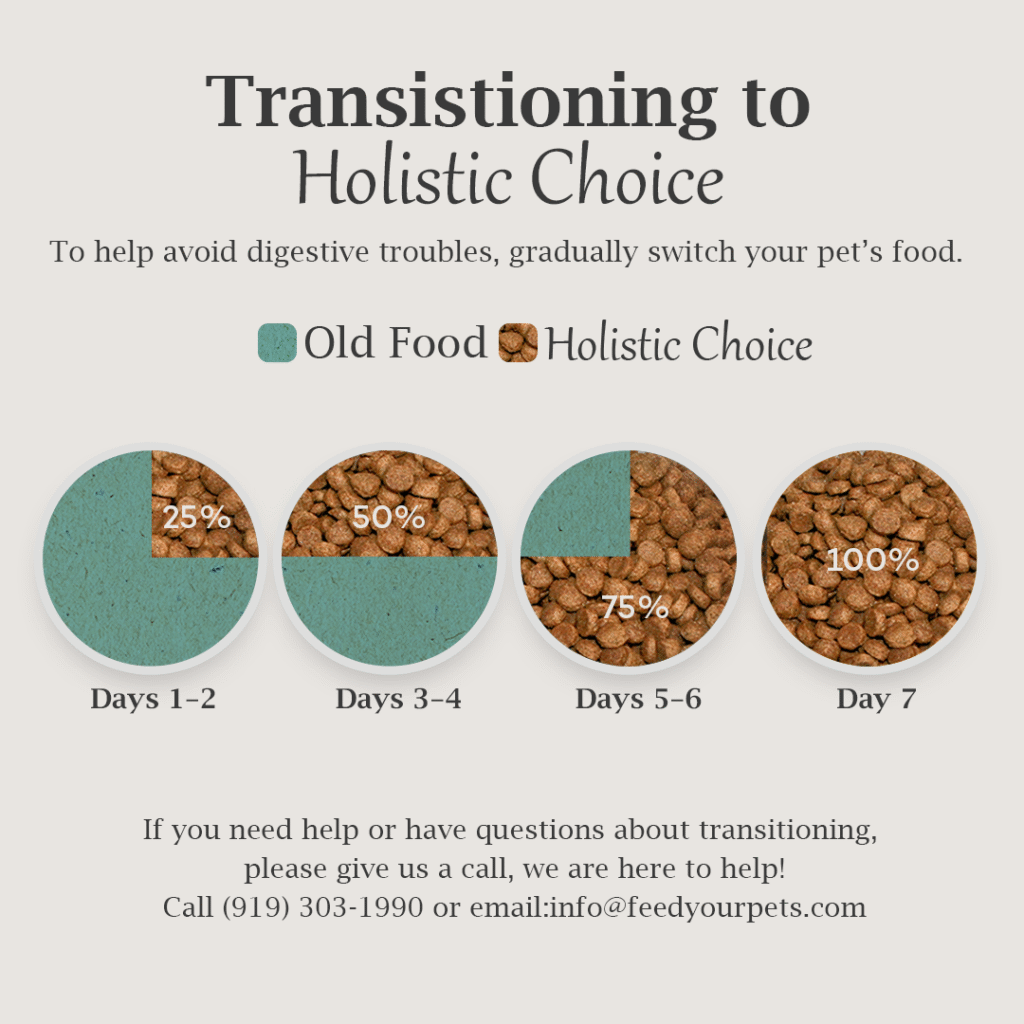
7-Day Transition Schedule

Day      Old Food   New Food
1-2            75%       to        25%
3-4           50%       to        50%
5-6           25%        to        75%
7+              0%        to      100%

Our Tips for a Smooth Transition

Stick to consistent feeding times. Routine helps reduce stress during the switch.
Avoid adding new treats or table scraps during the transition period.
Watch for signs of trouble: excessive scratching, vomiting, or diarrhea that lasts more than a day? Slow the transition or contact your vet.

Why Our Food Makes Transitions Easier

Our Holistic Choice products are slow-cooked, all-natural recipes that are made with real meat, wholesome grains, and no fillers or by-products—making them easier to digest and more appealing to even the pickiest pets. Many of our customers tell us their dogs or cats take to our food immediately—but we still recommend a gradual transition just to be safe.

Try a Free Sample First?

We offer free samples of our Holistic Choice products, delivered right to your door across the Triangle and Triad areas—so your pet can try before you buy! Just give us a call or request free samples here.

Take care and be well!
Thor
The Pet Pantry

Is Collagen for Dog’s Safe? Here’s the Scoop!

When it comes to keeping our dogs happy, healthy, and ready to zoom around the yard, good nutrition is key. You’ve probably heard a lot lately about collagen supplements for people lately— but did you know that collagen can also be a game-changer for your best friend? Let’s dig into the details (pun absolutely intended).

First Things First: What Is Collagen?

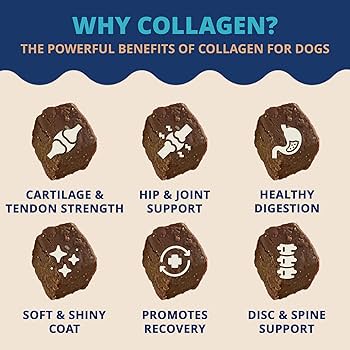
Collagen is a natural protein found in the body — think of it like the glue that holds everything together. It makes up a huge part of your dog’s skin, joints, bones, cartilage, and even their nails and fur! Collagen offers structure, strength and support to the connective tissue. As dogs (and humans!) get older, their natural collagen production slows down, leading to common issues like stiff joints, thinning coats, and less bounce in their step.

Is Collagen in Regular Dog Food?

Most commercial dog foods do have some collagen, especially if they use ingredients like chicken meal, beef meal, or fish. However, when foods are cooked at higher temperatures like most commercial dog foods are, much of the collagen is often broken down during the high-heat process — meaning your pup may not be getting nearly as much as they need just from their everyday meals. This is why many pet owners choose to supplement collagen to really give their dog’s body an extra boost.

Some Food for Thought: At The Pet Pantry we keep things cool — literally! Holistic Choice Pet Foods are slow cooked at lower temperatures to help lock in the good stuff like collagen, so your pet gets more of the natural nutrients they need to thrive.

Benefits of Collagen for Dogs

Adding collagen to your dog’s diet can offer some amazing benefits:

  • Stronger Joints and Mobility: Helps support healthy cartilage and reduces stiffness — perfect for older dogs or super active pups!
  • Healthier Skin and Coat: Promotes shinier fur and fewer skin issues like itchiness or dryness.
  • Stronger Nails and Teeth: Boosts overall dental and nail health.
  • Gut Health: Some types of collagens (especially types I and III) help support healthy digestion.
  • Picky Eaters: Collagen-rich foods can help stimulate your dog’s appetite because they are made from animal proteins.

In short, collagen for dogs can help them look, feel, and move better — and who doesn’t want that for their best friend?

Can All Dogs Benefit from Collagen?

The great news? Yes!

Collagen is generally safe for dogs of all ages and breeds.

• Puppies can benefit from collagen to support their rapid growth.
• Adult dogs can use it to maintain strong joints and healthy skin.
• Senior dogs especially appreciate the joint and mobility support.

That said, if your dog has specific health conditions (like kidney disease or severe food allergies), it’s always smart to check with your vet first before starting any new supplement.

How Can You Supplement Collagen?

Adding collagen to your dog’s diet is easy and tasty! Some popular options include:

• Collagen Chews or Treats: Yummy snacks packed with collagen — dogs love them!
• Powdered Collagen Supplements: Easily mix into your dog’s food and some are even flavorless.
• Bone Broth: Naturally rich in collagen, plus it’s super hydrating and delicious.

Bonus Tip:
many supplements — even those not specifically labeled as collagen supplements — contain meaningful amounts of collagen! Look for whole-body health formulas, joint support supplements, or daily multivitamins for dogs. These can provide a collagen boost plus extra benefits like joint lubrication, skin support, and immune system health.
Just make sure to choose high-quality supplements made specifically for dogs. Human collagen powders often contain additives or sweeteners that aren’t safe for pets.
________________________________________
Final Thought:

– If you want to help your dog move easier, look shinier, and feel better from the inside out, adding a little collagen could be a simple but powerful step. Talk about a glow-up for your furry best friend!

Take care and be well!
Thor
The Pet Pantry

The F.L.E.A. Method: How to Choose the Best Flea Prevention for Your Pet

There’s a tiny pest that can cause big problems for our pets and our homes: the flea. As responsible pet parents, we know prevention is key, but walking down the pet care aisle or browsing online can be overwhelming. From topical spot-on treatments and oral tablets to medicated shampoos, how do you choose what’s best for your furry family member?

It can feel complicated, but it doesn’t have to be. To simplify the process, we’ve created a simple acronym to guide your decision: F.L.E.A. By considering these four key factors, you can confidently choose a preventative that keeps your pet safe, happy, and itch-free.

F is for Friendly

First and foremost, any product you use must be friendly—to your pet, to your family, and to the environment.

  • Pet Safety: Your pet’s health is the top priority. Some older flea products, while effective, can carry a risk of toxicity or severe neurological side effects if misapplied or given in the wrong dose. It’s crucial to read labels carefully and follow dosage instructions to the letter.
  • Know Your Ingredients: Many popular spot-on treatments contain synthetic pyrethroids like permethrin. These compounds are man-made versions of pyrethrins, which are natural insecticides derived from chrysanthemum flowers (Chrysanthemum spp.). While effective, they must be used with caution.
  • Environmental Impact: Consider products that are safe for the broader environment and non-target species.

CRITICAL WARNING FOR CAT OWNERS Never use a flea prevention product designed for dogs on your cat. Dogs and cats have different metabolisms, and ingredients like permethrin, which are safe for dogs in appropriate doses, are extremely toxic to cats and can cause severe seizures and even death. Always use a product specifically formulated for felines.

When in doubt, your veterinarian is your best resource to discuss the safety profile of any product you’re considering.

L is for Lifestyle

The best flea preventative is one that seamlessly fits into your life and your pet’s daily activities. What works for a quiet lap dog may not be the best choice for an adventurous, water-loving retriever.

Consider these lifestyle questions:

  • Does your pet swim or get bathed often? If your dog is a frequent swimmer or requires regular baths, a topical (spot-on) treatment may get washed away, reducing its effectiveness. In this case, an oral chewable tablet might be a more reliable choice.
  • Are you looking for convenience? If you have a hard time remembering to administer multiple monthly medications, consider an all-in-one product. Many modern oral and topical solutions combine flea prevention with protection against heartworms, ticks, and intestinal parasites.
  • Do you have a multi-pet household? It’s essential to treat all pets in the home, not just the one with visible fleas. An infestation can spread quickly between animals. Make sure the products you choose are safe for each species (dog, cat, etc.) in your home.

E is for Effective

A flea preventative is useless if it doesn’t work. The goal is to both kill existing fleas and prevent new ones from making a home on your pet.

  • Correct Application is Key: For topical products to work, they need to be applied directly to the skin, not just on the fur. They then spread through the oils on your pet’s skin. Shampoos, especially those with harsh detergents, can strip these oils and remove the product, so be sure to follow the product’s instructions regarding bathing.
  • Regional Resistance: In some areas, local flea populations may have developed resistance to certain active ingredients. If you find that a product that once worked is no longer effective, consult your veterinarian. They will be aware of regional resistance patterns and can recommend a more effective alternative.
  • Treat the Environment: Remember that only about 5% of the flea population (the adult fleas) are on your pet. The other 95%—eggs, larvae, and pupae—are in your home and yard. An effective plan includes treating your environment by vacuuming frequently, washing pet bedding in hot water, and considering pet-safe yard treatments.

A is for Affordable

The cost of flea prevention can vary widely, but it should always be viewed as an investment in your pet’s health. While it may seem like just another monthly expense, it can save you a significant amount of money and heartache down the road.

A flea infestation can lead to other costly health issues, including:

  • Tapeworms: Fleas are common carriers of tapeworm eggs. If a pet ingests an infected flea while grooming, they can develop a tapeworm infection that requires specific deworming medication.
  • Skin Infections: Constant scratching from flea bites can lead to painful skin infections, known as “hot spots” or flea allergy dermatitis, often requiring multiple vet visits, antibiotics, and steroid treatments.
  • Anemia: In severe infestations, especially in puppies, kittens, or small pets, the blood loss from thousands of flea bites can lead to life-threatening anemia.

While professional products recommended by your vet are often the most effective, discuss all options with them, including reputable over-the-counter brands, to find a solution that fits your budget.

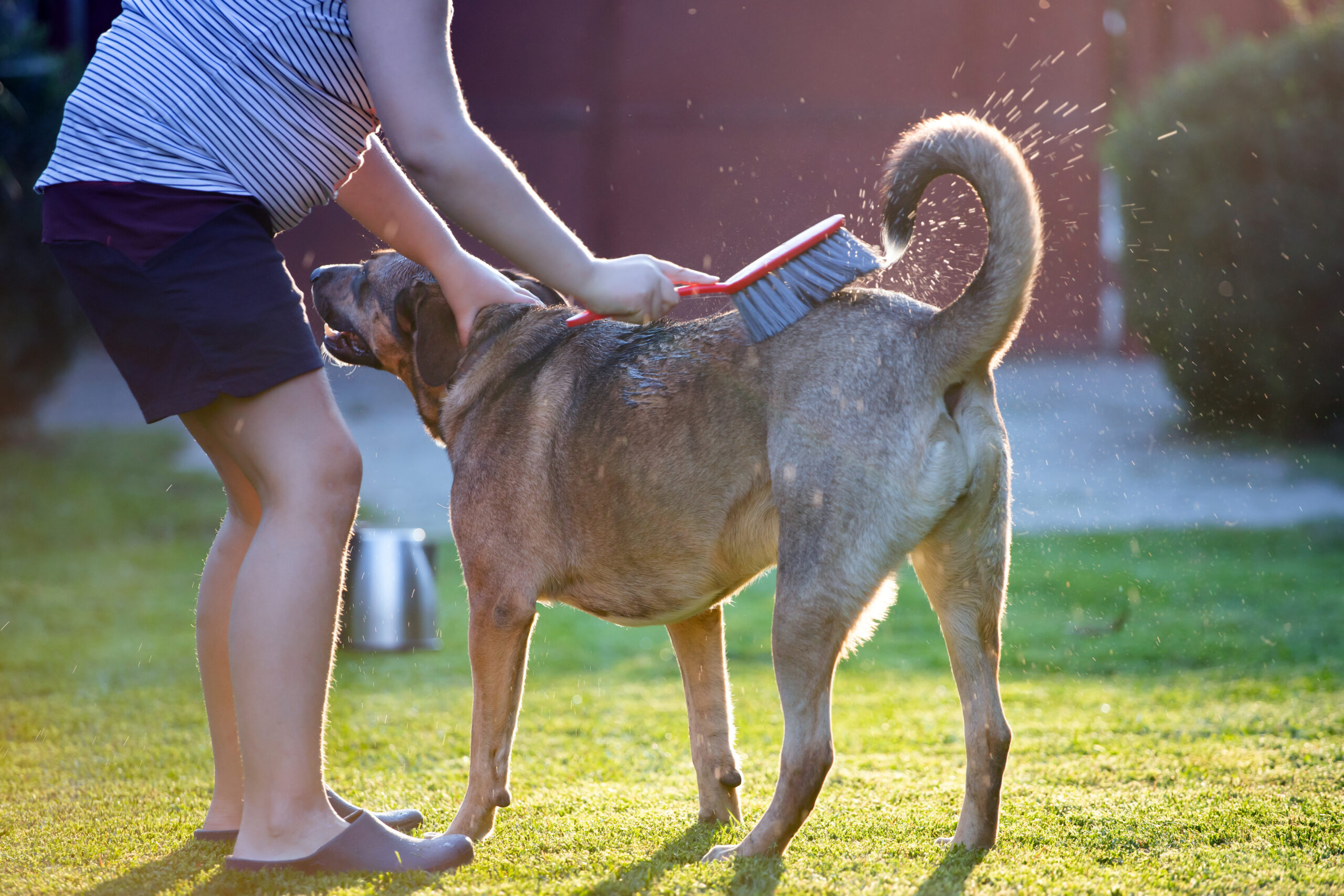
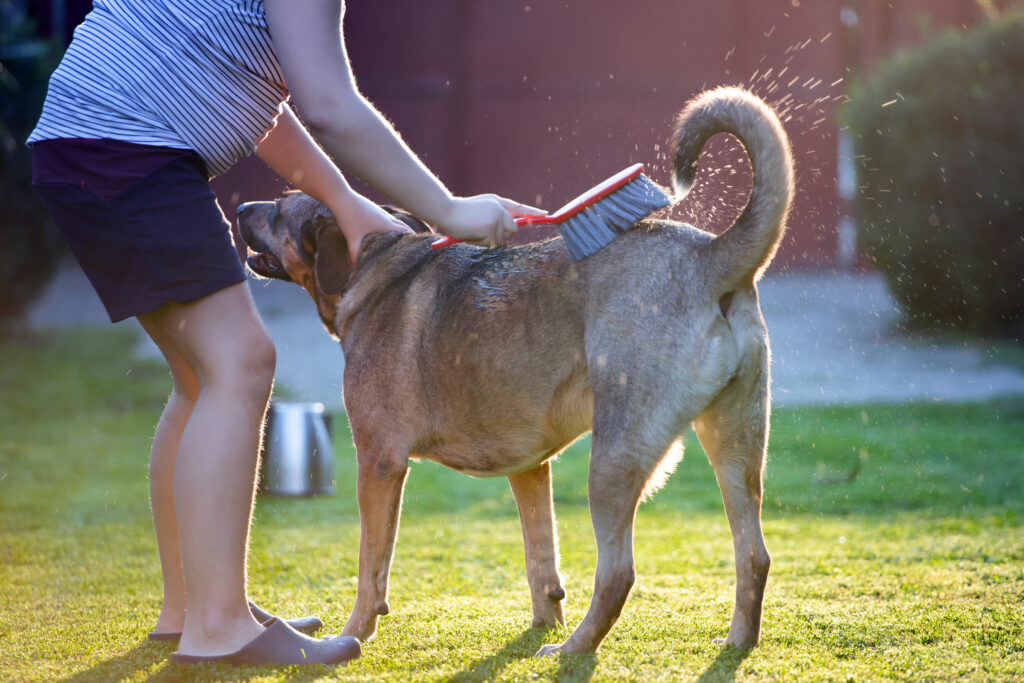
Girl washing her dog in the garden

What About Dawn Dish Soap?

You may have heard that a bath in Dawn dish soap can kill fleas. This is true—it acts as a surfactant that breaks down the fleas’ exoskeletons, causing them to drown. However, it should only be considered a temporary, one-time fix to remove adult fleas currently on your pet. It offers no residual protection, meaning new fleas can jump right back on as soon as your pet is dry. Furthermore, dish soap can be harsh and strip the natural oils from your pet’s skin, leading to dryness and irritation.

Your Veterinarian Is Your Partner

Choosing the right flea control is a crucial decision for your pet’s well-being. By using the F.L.E.A. method—prioritizing a Friendly, Lifestyle-appropriate, Effective, and Affordable solution—you can narrow down the choices.

Remember, veterinarians are your best partners in pet health. They are always happy to answer your questions and help you navigate these decisions to keep your best friend protected.

Is Your Dog Constantly Scratching? A Pet Parent’s Guide to Dog Allergies

As pet parents, we hate seeing our furry friends in discomfort. One of the most common reasons for a dog’s distress is allergies. That constant scratching, licking, or an upset stomach can be worrying. But what exactly is an allergy, and what can you do about it?

Just like people, dogs can have allergic reactions when their immune systems mistake everyday substances—or allergens—for a dangerous threat. While these allergens are harmless to most animals, a dog with allergies will have an extreme reaction.

This guide will walk you through how to identify, diagnose, and manage your dog’s allergies so you can help them get back to being their happy, healthy self.

What Are Dog Allergies?

An allergy is an overreaction of the immune system to a substance in the environment. These allergens can become a problem for your dog in three main ways:

  1. Inhaled: Breathing in allergens like pollen, mold, or dust.
  2. Ingested: Eating an ingredient that triggers a reaction.
  3. Contact: The allergen touches your dog’s skin.

As your dog’s body tries to fight off and get rid of these substances, a variety of skin, digestive, and respiratory symptoms can appear.

Spotting the Signs: Common Symptoms of Allergies in Dogs

Allergies can manifest in many different ways, and sometimes the signs are subtle. Keep an eye out for these common symptoms:

  • Skin Issues: Itchy, red, moist, or scabbed skin is the most frequent sign.
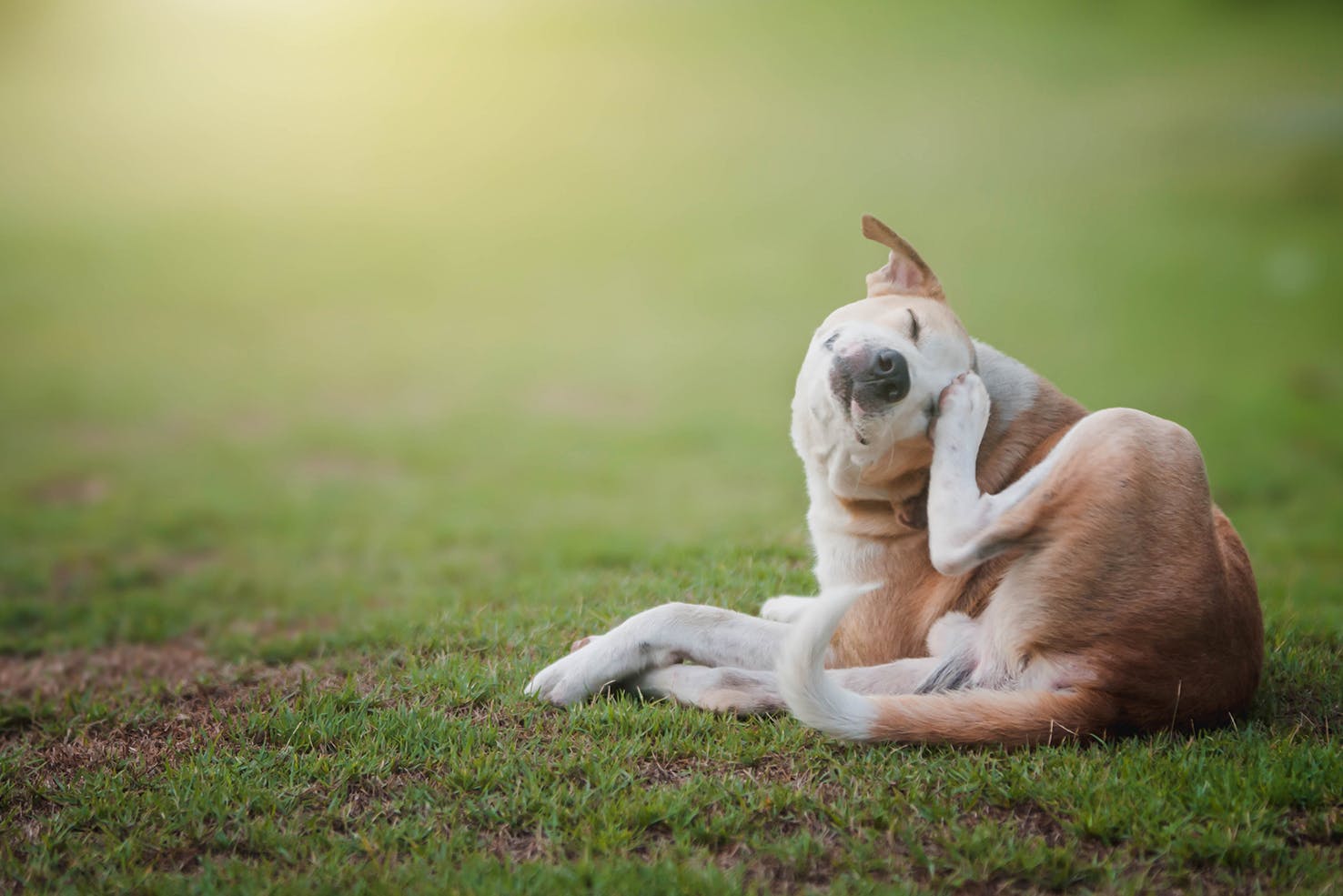
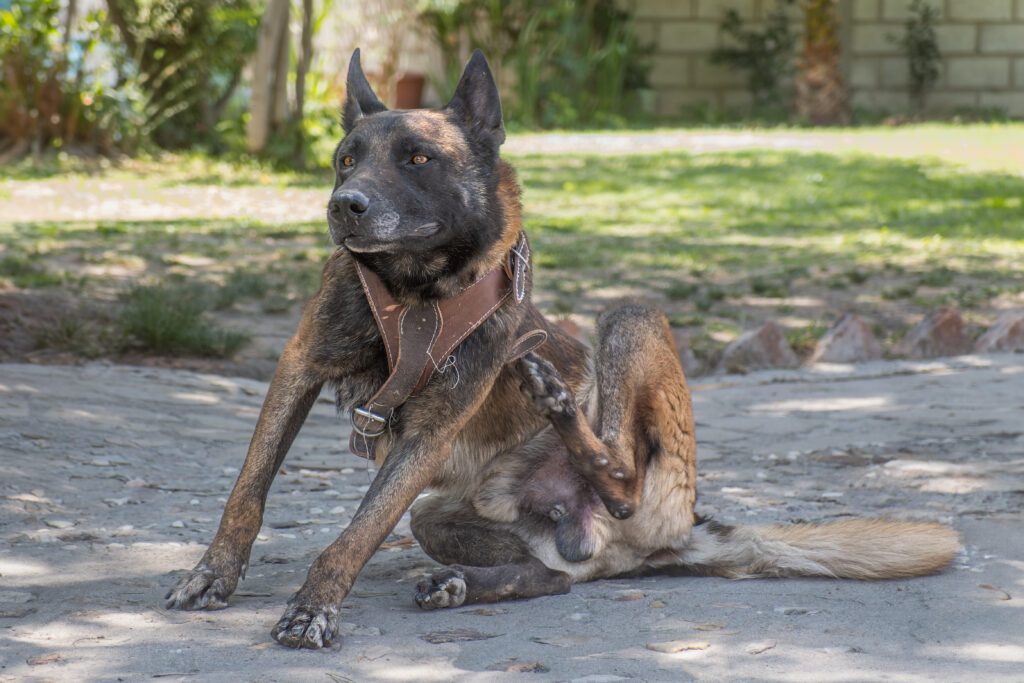
  • Constant Scratching: More than the occasional itch, especially around the ears, paws, and belly.
  • Itchy Back or Tail Base: This is a classic sign of a flea allergy.
  • Paw Chewing or Swollen Paws: Persistent licking and chewing can lead to irritation and swelling.
  • Ear Problems: Itchy ears and recurrent ear infections are very common.
  • Eye Irritation: Itchy, runny, or red eyes.
  • Respiratory Symptoms: Sneezing or snoring caused by an inflamed throat.
  • Digestive Upset: Vomiting or diarrhea, often associated with food allergies.
  • Constant Licking: Licking a specific area excessively.

It’s also important to note that allergic dogs may suffer from secondary bacterial or yeast skin infections, which can cause hair loss, scabs, or crusts on the skin.

What’s Causing the Itch? Common Canine Allergens

A wide range of substances can trigger an allergic reaction in dogs. Here are some of the most common culprits:

  • Environmental Allergens: Tree, grass, and weed pollens; mold spores; dust and house dust mites.
  • Food Ingredients: Common proteins and grains like beef, chicken, pork, corn, wheat, or soy.
  • Fleas: The saliva from a single flea bite can trigger a severe reaction (flea allergy dermatitis).
  • Household Irritants: Perfumes, cleaning products, cigarette smoke, and even some fabrics.
  • Other: Animal dander (from other pets), feathers, insecticidal shampoos, and materials like rubber and plastic.

Which Dogs Are Most at Risk?

Any dog of any breed can develop allergies at any point in its life. However, they seem to be especially common in Terriers, Setters, Retrievers, and flat-faced (brachycephalic) breeds like Pugs, Bulldogs, and Boston Terriers.

Getting a Diagnosis: How to Know for Sure

If you suspect your dog has allergies, the first step is always a visit to your veterinarian. They can rule out other conditions and help you form a plan.

  • For Environmental Allergies: If your dog’s skin irritation persists, your vet may recommend allergy testing, often performed by a veterinary dermatologist. The most common method is an intradermal skin test, similar to what’s used for humans, to pinpoint the specific allergens.
  • For Food Allergies: The only reliable way to diagnose a food allergy is with an elimination diet. This involves feeding your dog a special, limited-ingredient diet with a protein and carbohydrate source they’ve never eaten before. For this to work, it’s crucial that your dog eats nothing else—no treats, table scraps, or flavored medications. Once symptoms improve, you will slowly reintroduce old ingredients one by one to see which one causes the reaction.

How Can Dog Allergies Be Treated and Managed?

The best way to treat allergies is to avoid the allergen, though that isn’t always possible. Here are the most effective strategies for managing your dog’s symptoms.

  • Prevention & Environmental Control
    • Flea Control: Prevention is key. Use a high-quality, vet-recommended flea control program for all pets in your household year-round.
    • A Cleaner Home: If dust mites are the issue, wash your pet’s bedding weekly in hot water and vacuum floors and furniture frequently.
    • Air Purity: Use an air purifier to help filter out airborne allergens like pollen and mold spores.
  • Bathing and Skin Care
    • Weekly bathing with a vet-approved hypoallergenic or medicated shampoo can provide significant relief. It helps remove environmental allergens from your dog’s coat and can soothe irritated skin. Be careful not to use the wrong products, as frequent bathing can also dry out the skin.
  • Dietary Management for Food Allergies
    • If a food allergy is diagnosed, the solution is simple: avoid the problem ingredient. For example, if your dog is allergic to chicken, you must avoid all foods, treats, and supplements containing chicken protein or fat. Switching to a high-quality, limited ingredient diet is often the best long-term solution for these pups.
  • Medications and Supplements
    • When allergens can’t be avoided, your vet may recommend medication to control the symptoms:
      • Allergy Injections (Immunotherapy): For airborne allergens, these injections can help your dog’s immune system become less reactive over time.
      • Medications: Antihistamines may help some dogs, while stronger prescription drugs like immune modulators or corticosteroids (e.g., cortisone) may be needed for severe cases. These should only be used under the strict guidance of your veterinarian.
      • Supplements & Topicals: Fatty acid supplements (like Omega-3) can support skin health and reduce inflammation. Soothing sprays containing oatmeal or aloe can also provide temporary relief for itchy spots.

A Happier, Itch-Free Life is Possible

Dealing with dog allergies can feel overwhelming, but with a proper diagnosis and a consistent management plan, you can significantly improve your dog’s quality of life. Always work closely with your veterinarian to find the best path forward for your four-legged family member.

Have questions about finding the right food for your sensitive dog? Explore our line of our Holistic Choice formulas crafted to support dogs with unique dietary needs!

A Pet Parent’s Guide: 5 Keys to Safer Anesthesia for Your Dog or Cat

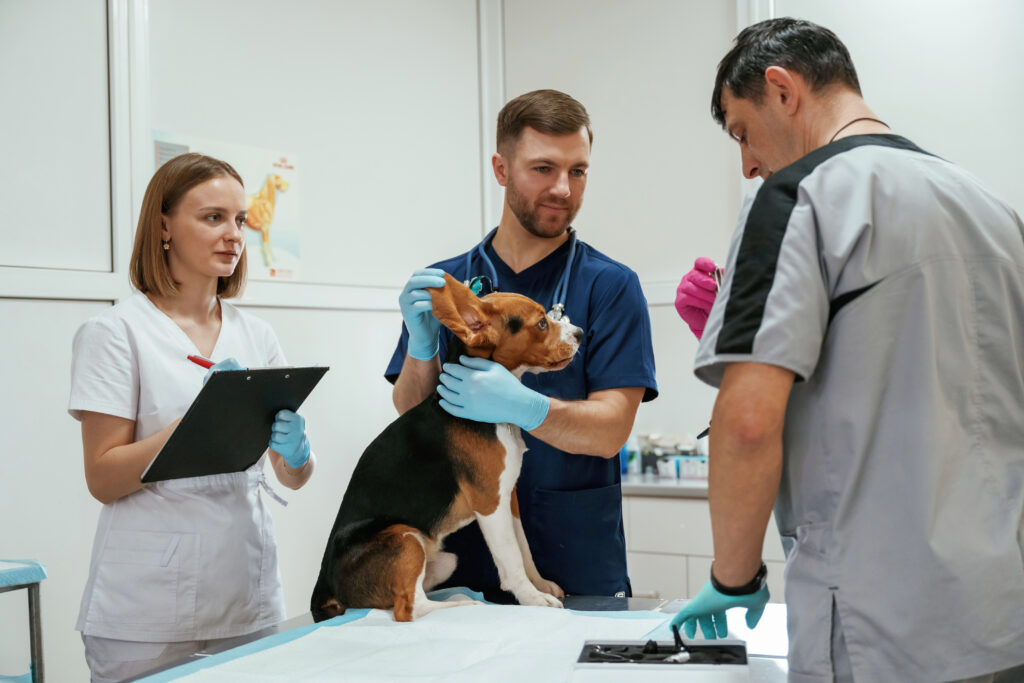
As pet parents, hearing that our furry family member needs to undergo anesthesia can be nerve-wracking. Whether it’s for a routine dental cleaning, a spay/neuter procedure, or a more complex surgery, we want to ensure they are as safe as possible.

The good news is that veterinary anesthesia is safer today than ever before. While any anesthetic procedure carries inherent risks, modern veterinary medicine has established protocols to significantly minimize them. Understanding these safety measures can empower you to have a more confident conversation with your veterinarian and ensure your pet receives the best care.

Here are the five essential things your pet needs when going under anesthesia.

Pre-Anesthetic Blood Work: A Look ‘Under the Hood’

Before a procedure, your veterinarian will likely recommend pre-anesthetic blood work. Think of this as a crucial safety check that gives a snapshot of your pet’s internal health.

This simple blood test evaluates the function of your pet’s vital organs, particularly the liver and kidneys, which are responsible for processing and eliminating anesthetic agents from the body.

  • What it reveals: The results provide your veterinarian with critical information about how well these organs are working.
  • How it customizes care: If the results show a potential issue, like slightly elevated liver values, your vet can tailor the anesthesia protocol specifically for your pet. They might choose a different anesthetic drug that is less taxing on the liver, ensuring a safer process.
  • When to postpone: In some cases, if the blood work reveals a significant risk, your veterinarian may recommend postponing an elective procedure to address the underlying health issue first.

While you may be given the option to decline this test, it’s a vital tool for ensuring your pet’s safety. For pets aged two or three and older, a more comprehensive panel is often recommended annually to monitor their ongoing health.

IV Catheter and Fluids: A Direct Lifeline

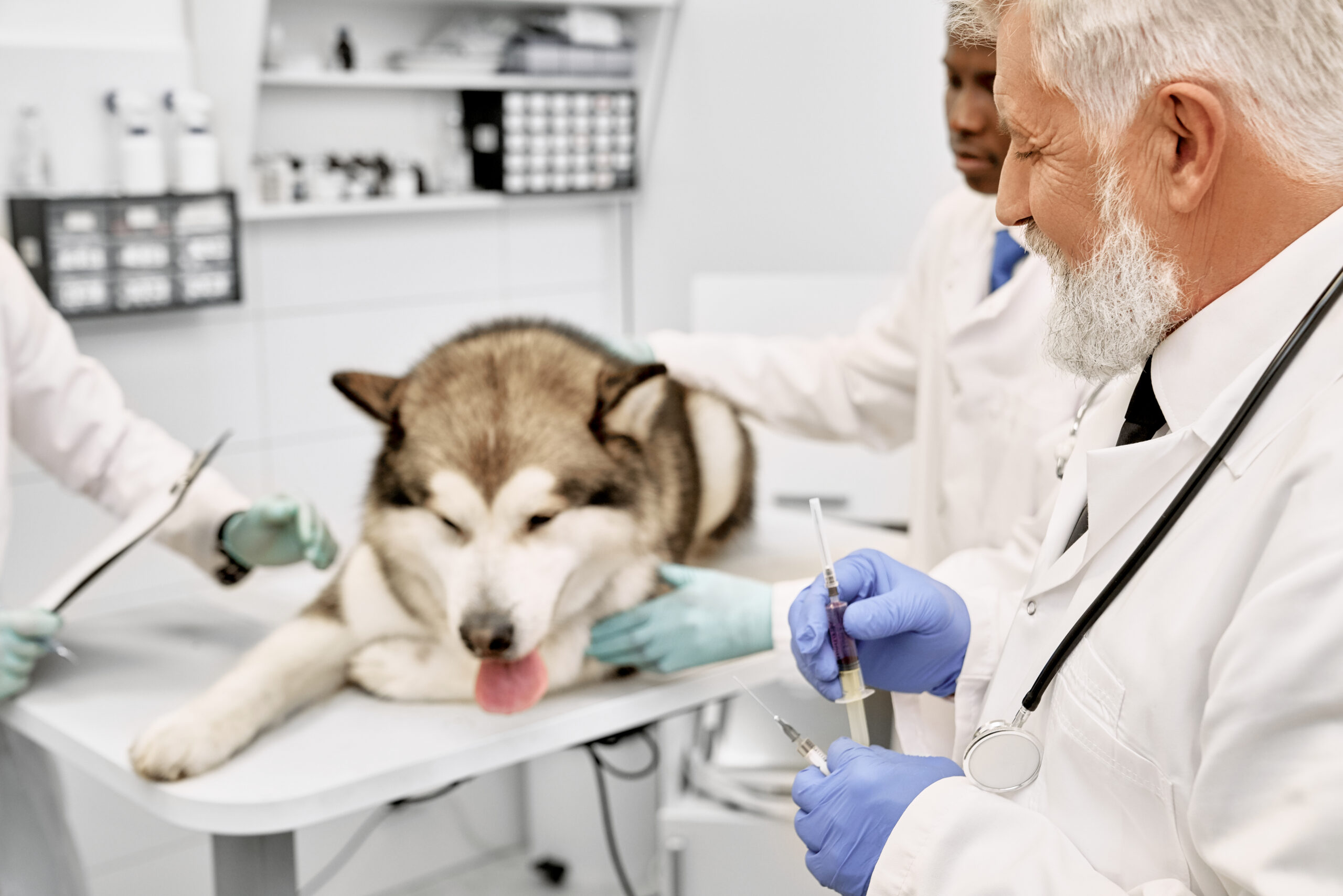
During the procedure, you’ll want your pet to have an intravenous (IV) catheter and receive intraoperative fluid therapy. This isn’t just an add-on; it’s a fundamental part of modern anesthetic safety.

An IV catheter is a small tube placed directly into your pet’s vein. This provides a direct, immediate line for two critical purposes:

  • Emergency Access: Should any unexpected event occur, like a sudden drop in blood pressure or an arrhythmia, the IV catheter allows the veterinary team to administer life-saving emergency drugs instantly.
  • Hydration and Blood Pressure Support: IV fluids help maintain your pet’s hydration and blood pressure throughout the procedure. Stable blood pressure ensures that vital organs like the kidneys, heart, and brain continue to receive a healthy supply of oxygen-rich blood.

Comprehensive Monitoring: The Watchful Eye

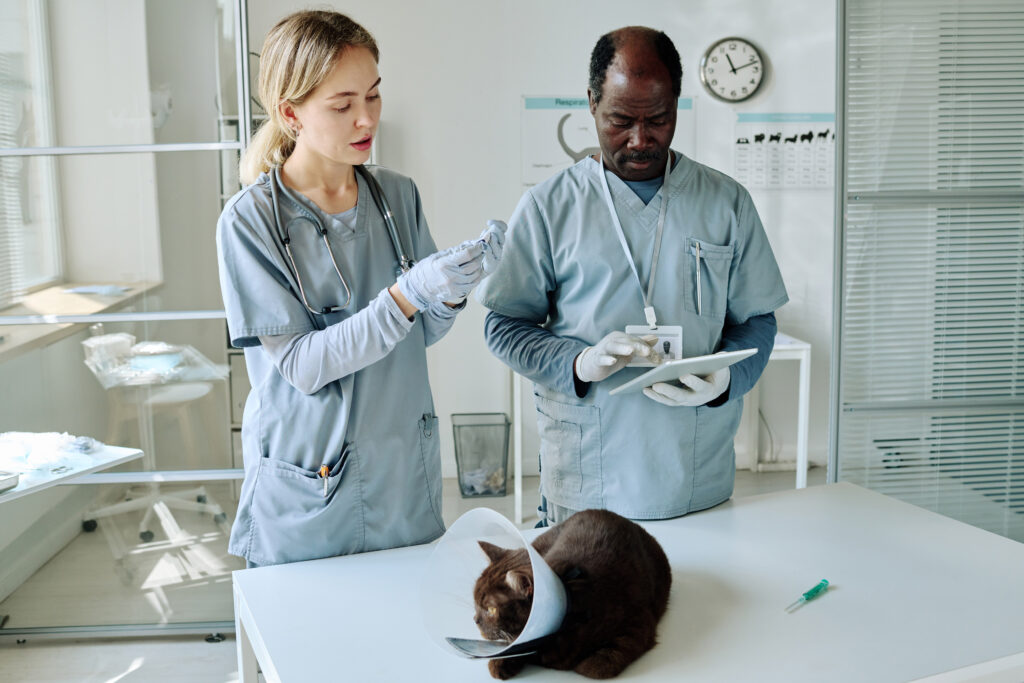
You won’t be in the operating room, but a trained veterinary technician or assistant should be, acting as a dedicated anesthetist for your pet. Their job is to closely monitor your pet’s vitals from the moment they are sedated until they are fully awake.

This dedicated assistant uses advanced monitoring equipment to keep a constant watch over:

  • Heart Rate and Rhythm: To ensure the heart is handling the anesthesia well.
  • Oxygen Saturation (SpO2​): A pulse oximeter checks that your pet’s blood is carrying enough oxygen.
  • Carbon Dioxide Levels (CO2​): A capnograph monitors breathing effectiveness.
  • Blood Pressure: To ensure organs are being properly perfused with blood.
  • Temperature: Anesthesia can cause a drop in body temperature, so keeping your pet warm is crucial for a smooth recovery.

This continuous, detailed monitoring allows the veterinary team to catch and correct subtle changes before they can become serious problems.

Thorough Management: Before, During, and After

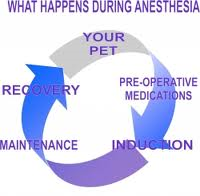
Excellent anesthetic care extends beyond the procedure itself. It involves a complete management plan that includes a thorough examination and appropriate medications at every stage.

Your veterinarian should conduct a full physical exam before the procedure to ensure your pet is healthy enough for anesthesia. Throughout the process, they will administer medications tailored to your pet’s needs, which may include:

  • Pre-operative antibiotics to prevent infection.
  • Multi-modal pain medications (given before, during, and after) to keep your pet comfortable and reduce stress.
  • Nerve blocks or epidurals for targeted pain relief during certain procedures.

Proper pain management isn’t just about comfort—it’s clinically proven to lead to smoother, faster recoveries. For this reason, many veterinarians consider pain medication a mandatory part of the process, not an optional one.

Clear Education and Discharge Instructions: Your Role in Recovery

A strong, open relationship with your veterinary team is key. Don’t be afraid to ask questions! Understanding what to expect before you even leave for the clinic can make the entire process less stressful for both you and your pet.

When it’s time to go home, a veterinary technician or assistant will provide discharge instructions. While these are often detailed, it’s a great time to clarify anything you’re unsure about. A crucial part of your role begins at home, especially in the first 24 hours.

A Common Post-Anesthesia Tip: Nausea is a frequent side effect. Follow this simple protocol at home:

Once home, offer your pet a small amount of water.

If they keep the water down for 30-60 minutes, you can offer a small meal (about a quarter of their usual portion).

If your pet vomits, withhold food and water for another two hours, then try again with a small amount of water.

If vomiting persists, or if your pet seems excessively groggy, pained, or hasn’t eaten within 24 hours, contact your veterinarian immediately.

Conclusion: Partnering with Your Vet for Peace of Mind

Putting your beloved companion under anesthesia requires trust. By ensuring these five key elements are in place, you are taking a proactive role in their safety and well-being. These steps, which are standard in human medicine, are becoming the gold standard in veterinary care for a reason—they work.

Talk to your veterinarian about their specific anesthesia and monitoring protocols. An open conversation will give you the peace of mind that your pet is in the best possible hands.

Master the Recall: 7 Simple Steps to Teach Your Dog the “Come” Command

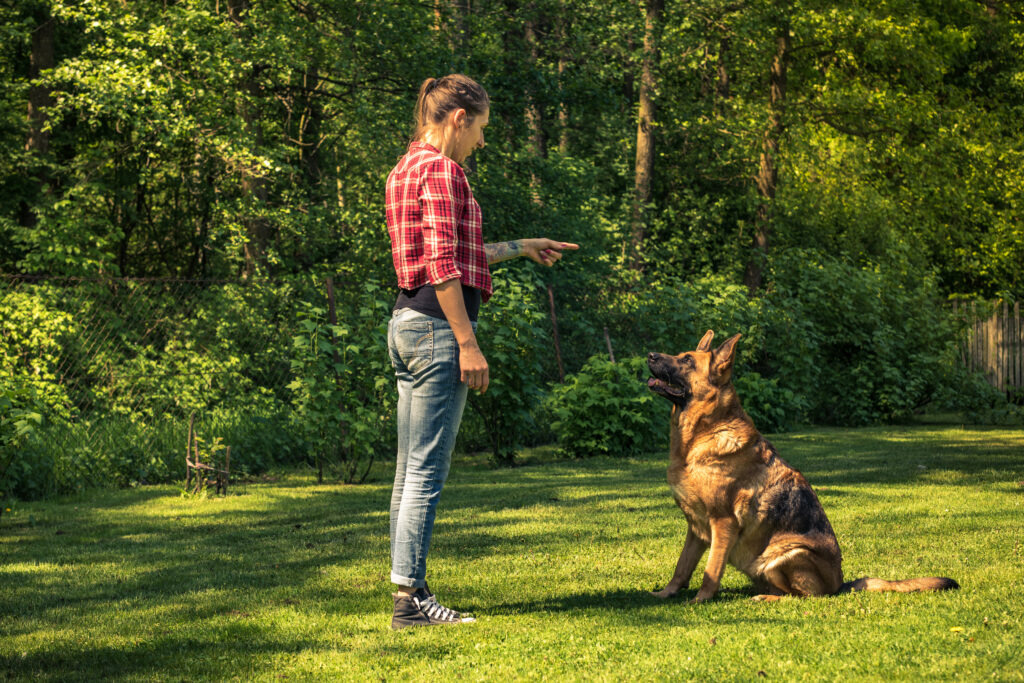
There’s nothing quite like the freedom of watching your dog joyfully explore the world. But that freedom is only possible with a foundation of trust and safety. The single most important command for any dog owner is a reliable recall—the ability to have your dog come back to you, no matter the distraction.

A rock-solid “come” command can prevent accidents, keep your dog safe in emergencies, and give you peace of mind. But how do you build a recall that’s truly dependable?

We’ve partnered with expert trainer Sylvie Pleasant of K9 Solutions to break down the process into seven clear, positive, and effective steps. Forget frustration and get ready to build a stronger bond with your best friend.

The Golden Rules of Recall: Before You Begin

Before we jump into the steps, let’s set the stage for success. According to Sylvie, the key is to make yourself the most exciting thing in your dog’s world.

  • Be a Party: Your tone of voice and body language are everything. Use lots of enthusiasm, praise, and a cheerful, high-pitched tone to make returning to you feel like the best decision your dog has ever made.
  • Never Punish the Return: Never, ever call your dog to you for something they dislike (like a nail trim, a bath, or a scolding). They will quickly learn to associate “come” with negative experiences. If you’re feeling angry or frustrated, don’t use the command.

With that foundation of positivity in mind, you’re ready to start training!

Step 1: Turn Training into a Game

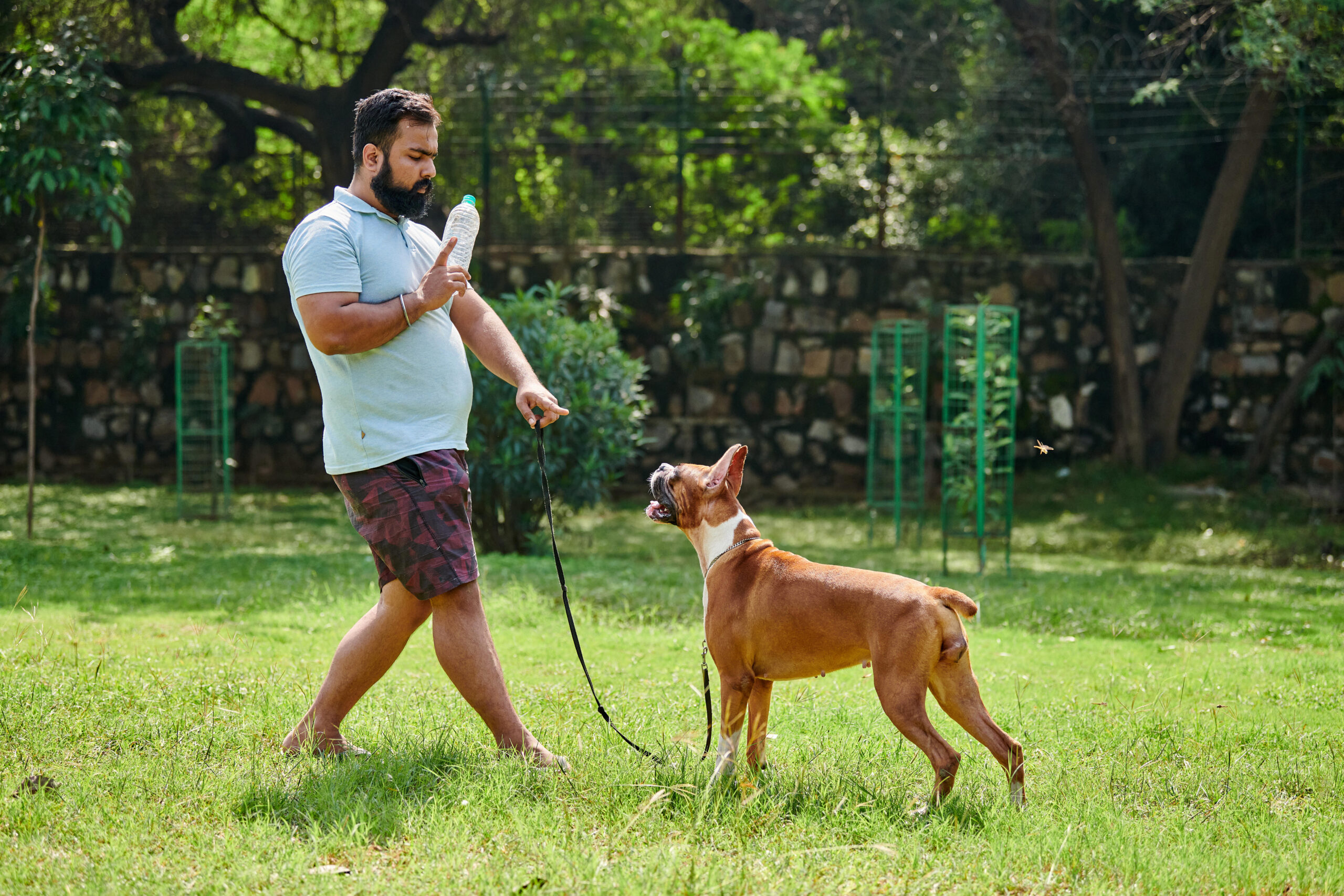
The best way to start is by making recall a fun game of chase. In a safe, low-distraction area like your living room or a fenced yard, start encouraging your dog to chase you for a few feet. Keep the energy high and fun!

Step 2: Introduce the “Come” Cue

As your dog is joyfully running towards you in the middle of your chase game, turn to face them. With an enthusiastic and happy voice, clearly say the word “Come!” only once. The goal is for them to associate that word with the fun action of running to you.

Step 3: Make it Rain Rewards

The moment your dog reaches you, shower them with praise. But don’t stop there. Reward them generously with high-value treats.

Sylvie’s Pro Tip: Give them a total of ten small, tasty treats, but offer them one at a time. This extends the reward experience and makes coming to you feel like hitting the jackpot.

Step 4: The ‘One and Done’ Rule

It is critical to only use the word “come” once. If you repeat the command over and over (“Fido, come! Fido, come! C’mon, come!”), the word loses its meaning and becomes background noise. Say it once, clearly and cheerfully.

Step 5: Master the Follow-Through

Only use the “come” command when you are confident you can follow through. If you say the word and your dog gets distracted, don’t let the command fail. Immediately and cheerfully walk or run over to your dog, take them gently by the collar or harness, and lead them back to the spot you originally called from. Once you’re there, praise them! This teaches them that the command is not optional, but it does so without anger or punishment.

Step 6: Create a Consistent Practice Schedule

Consistency is what builds reliability. For the first two weeks, follow this schedule:

  • Practice Sessions: 1-2 short sessions per day.
  • Repetitions: Repeat the exercise four times within each session.

Keeping sessions short and fun prevents your dog from getting bored and ensures they are always excited to train.

Step 7: Maintain and Vary the Reward

After two weeks of consistent practice, your dog’s recall should be getting much stronger. Now, it’s time to maintain it for life.

  • Maintenance Practice: Continue practicing 1-2 times per week to keep the skill sharp.
  • Variable Reinforcement: Start reducing the frequency of treats. This is the secret to a long-lasting command. Sometimes your dog gets one treat, sometimes they get a few, and occasionally, they get a massive jackpot of their favorite snacks! By never knowing exactly what reward they’ll get, their motivation to come back will remain incredibly high. Remember to always reward with enthusiastic praise, even when you don’t use treats.

Troubleshooting: What If My Dog…

Ignores Me? If your dog ignores the command during a training session, don’t get discouraged. Show them what they missed out on! You can do this by enthusiastically giving the treat to another dog (if one is around) or even tossing it in the trash in front of them. Then, try to re-engage their interest by making it a game again and getting them to chase you.

Runs Away in an Open Area? Panicking and running after your dog will often make them run faster (they think it’s a game!). Instead, try the opposite. Get low to the ground by kneeling or even flopping down dramatically. For many dogs, this is so unusual that their curiosity will bring them back to investigate. You can also try running in the opposite direction, which can trigger their instinct to chase you.

A Command Built on Trust

Teaching a reliable recall is about more than just obedience; it’s about building a powerful bond of trust and communication between you and your dog. By staying patient, positive, and consistent, you are investing in your dog’s safety and your shared happiness for years to come.

This training guide was developed with insights from Sylvie Pleasant of K9 Solutions.

Curb the Chaos: 7 Practical Tips for a Calmer, Safer Dog

There’s nothing quite like a peaceful walk with your dog or a relaxing afternoon in the yard. But for many pet parents, that peace is often shattered by a sudden lunge at a passing jogger, frantic barking at a squirrel, or the heart-stopping discovery of an open gate.

If you’re struggling with a dog that reacts to everything that moves or has become a master escape artist, you’re not alone. These behaviors can be stressful and even dangerous, but they don’t have to be a permanent part of your life. The key is to manage your dog’s environment to prevent the behavior from being practiced and reinforced.

Here at The Pet Pantry, we believe a well-behaved dog is a happy dog, and that starts with a safe and structured environment. We’ve compiled these practical tips to help you curb the chaos and build a calmer relationship with your four-legged family member.

Managing Reactivity: Creating a Calm Home Base

A dog that lunges and barks at passersby is often practicing a behavior called “territorial aggression.” The more they do it, the more ingrained it becomes. Your first line of defense is to control their environment to set them up for success.

1. Redesign Your Yard for Peace and Quiet

Preventing your dog from having an unrestricted view of high-traffic areas is crucial. When a dog can run along a fence line barking at people, they are self-rewarding the behavior, making it stronger over time.

  • Limit Access: Prevent your dog from having unlimited access to the entire yard, especially front yards or areas with a clear view of the street. Consider using internal fencing to create a designated “dog zone” in a more secluded part of your property, like the backyard.
  • Create Visual Barriers: Use landscaping to your advantage. Planting dense shrubs or installing privacy screening on your fence can block your dog’s view of the outside world, reducing the temptation to react to every stimulus that comes near.

2. Master the Front Door Greeting

Your front door is a major threshold. An out-of-control greeting can be overwhelming for guests and reinforce hyperactive behavior in your dog.

  • Establish a Boundary: Train your dog to stay on a mat or behind a baby gate when the doorbell rings. This ensures guests can enter your home without being greeted by an overly excited or potentially intimidating dog. Remember, even a small, friendly dog can be frightening to someone who is afraid of dogs.

Fortifying Your Yard: Tips for the Escape Artist

A secure fence is about more than just keeping your dog in; it’s about keeping dangers out. Here are some essential tips for ensuring your yard is a true safe haven.

3. Rethink the Underground or Electric Fence

While they can keep a dog within a boundary, underground or electric fences should never be used without direct supervision.

  • They Don’t Create a Barrier: These systems don’t prevent other animals or people from entering your yard. This leaves your dog vulnerable to being stolen, teased, or attacked by another dog. A highly aroused or fearful dog may also run through the electric boundary, only to be unwilling to cross it again to return home.

4. Outsmart the Fence Jumper

For dogs that can scale fences, a few modifications can make a world of difference.

  • Install Coyote Rollers: These are rollers placed at the top of a fence that spin when an animal tries to get a foothold, preventing them from pulling themselves over.
  • Add a Secondary Barrier: Install an underground fence line a few feet inside your physical fence. This can deter your dog from getting close enough to the fence to jump it.
  • Consult a Professional: Persistent fence jumping is a complex issue. Working with a certified professional dog trainer can help you address the root cause of the behavior, such as separation anxiety or boredom.

5. Stop Digging in Its Tracks

If your dog is a digger, they can create an escape route in minutes.

  • Bury a Barrier: Staple chicken wire to the bottom 2 feet of your fence and bury it at least 6-12 inches underground, bending it away from the fence in an “L” shape. This creates a barrier that will stop your dog’s paws when they try to dig near the fence line.

6. Secure Your Gates (Automatically!)

An open gate is an invitation for disaster. Human error is common, so why not take it out of the equation?

  • Install Self-Closing Springs: These simple and inexpensive devices can be installed on most gate hinges. They ensure that the gate swings shut automatically behind you every time, preventing accidental escapes. Add a self-latching mechanism for ultimate security.

Patience and Consistency are Key

Managing your dog’s behavior is a journey, not a sprint. By implementing these environmental changes, you remove the opportunity for your dog to practice unwanted behaviors, which is the first and most important step in any training plan.

By creating a secure and calm environment, you provide the foundation your dog needs to thrive. A safe dog is a happy dog, and a happy dog makes for a happy home.