Dental Health for Cats: Small Mouth, Big Impact

by Dr. Jacqueline Ansel, DVM, MVetSci

Dental health in cats is one of the most common and most overlooked medical and hygienic places on a cat. Dental disease is a medical condition which can develop in cats if their dental health is not maintained. In fact, did you know that the majority of cats over the age of three show signs of periodontal disease.

Cats are masters at hiding pain. That means dental disease often progresses silently, affecting comfort, appetite, and overall health long before obvious symptoms appear.

As a veterinarian, I frequently see cats whose dental discomfort has been mistaken for “picky eating” or “just getting older.” The truth is, feline dental disease can significantly impact quality of life and it’s far more manageable when caught early.


How Dental Disease Affects Cats

Dental disease in cats begins with plaque buildup along the gumline. Without intervention, plaque hardens into tartar, leading to gingivitis (gum inflammation), periodontal disease, and eventually infection or tooth loss.

Because cats are naturally stoic, the signs are often subtle.

Common symptoms of dental disease in cats include:

  • Reduced appetite or food refusal
  • Dropping food or chewing on one side
  • Weight loss
  • Bad breath (often more noticeable than owners realize)
  • Pawing at the mouth
  • Hiding, irritability, or decreased interaction
  • Preference for soft food over dry food

It’s important to understand that dental disease is not just about the mouth. Oral bacteria can enter the bloodstream and contribute to inflammation affecting the heart, kidneys, and liver. Chronic dental inflammation may also worsen existing kidney disease, a common concern in aging cats.

Left untreated, dental disease in cats becomes painful and progressive.


Unique Dental Conditions in Cats

Cats are particularly prone to a painful condition called tooth resorption. This occurs when the body begins breaking down the tooth structure itself, often below the gumline.

Tooth resorption:

  • Is extremely common in adult cats
  • Cannot be diagnosed without dental radiographs
  • Often appears normal on the surface
  • Requires extraction for relief

Many cats suffering from resorptive lesions appear outwardly normal until advanced disease is discovered on X-rays.

This is one reason routine dental exams and professional dental care are so important in feline patients.


At-Home Dental Care for Cats

Daily dental health for cats can be challenging, but even small, consistent efforts make a meaningful difference.

Helpful at-home dental options include:

  • VOHC-approved dental wipes
  • Feline-specific toothbrush and enzymatic toothpaste
  • Dental diets designed to reduce plaque
  • Water additives (when tolerated)

When choosing dental products, look for the Veterinary Oral Health Council (VOHC) seal. This ensures the product has been tested and shown to reduce plaque or tartar.

Pair dental care with a positive reward, gentle praise, petting, or a favorite activity to help reduce stress. Consistency matters more than perfection.

If brushing isn’t possible, don’t give up. Partial plaque control is still better than none.


Professional Dental Care for Cats (COHAT)

Most cats will require professional dental cleanings during their lifetime. These procedures are called Comprehensive Oral Health Assessment and Treatment (COHAT).

Because up to two-thirds of each tooth lies beneath the gumline, dental radiographs are essential for identifying disease that cannot be seen during a visual exam.

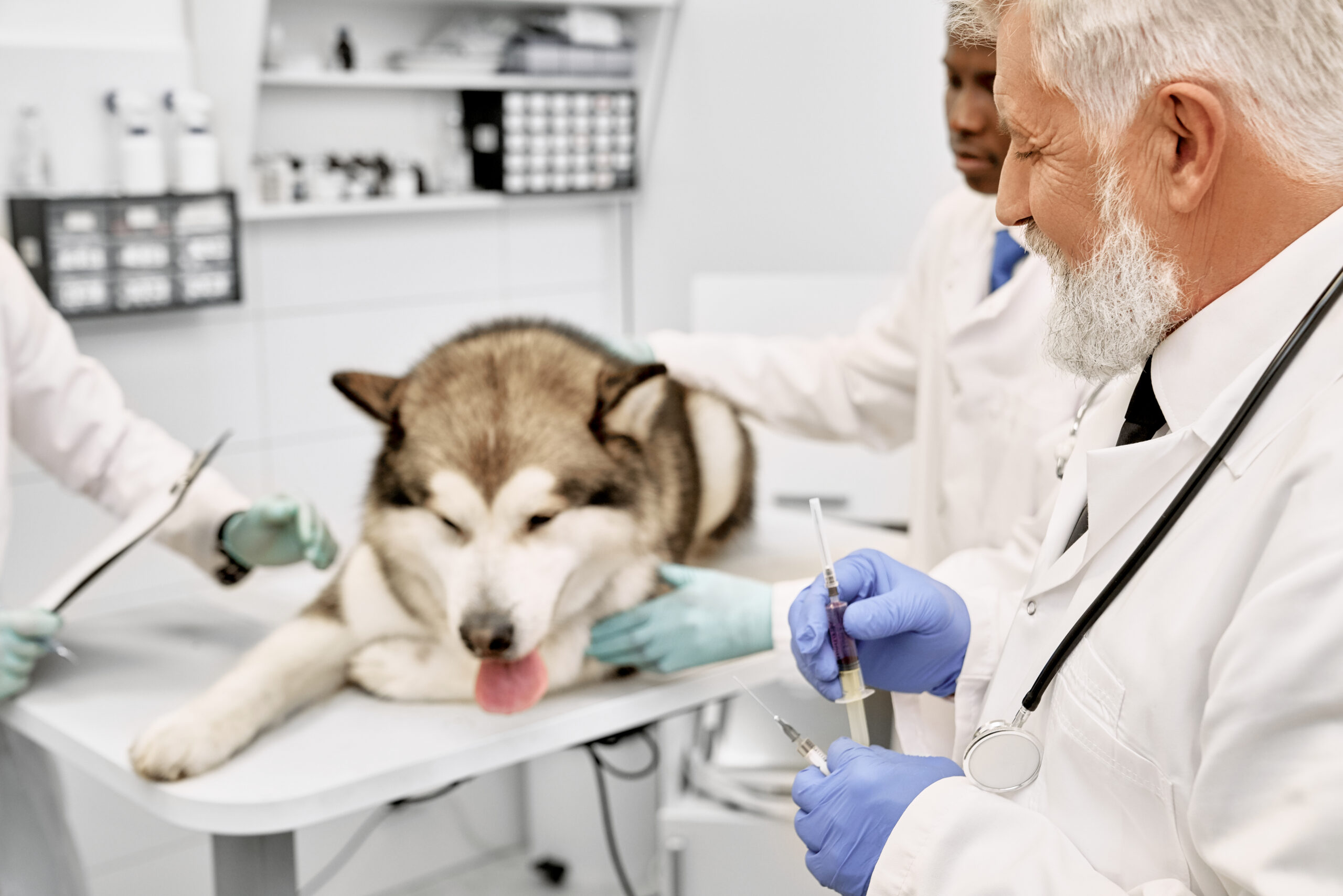
Prior to anesthesia, pre-operative bloodwork is performed to evaluate organ function and ensure safety. During the procedure, cats are placed under general anesthesia so a complete, pain-free examination and cleaning can be performed while vital signs are closely monitored.

A feline COHAT includes:

  • Full-mouth dental radiographs
  • Probing and charting of every tooth
  • Ultrasonic scaling to remove plaque and tartar
  • Polishing to smooth enamel and reduce future buildup
  • Extractions when necessary

Anesthesia is often a concern for cat owners. Modern veterinary anesthesia is highly monitored and tailored to each patient’s health status. The risks of untreated dental disease often outweigh the risks of a properly managed anesthetic procedure.


Extractions: Why Removal Can Be the Kindest Option

Cats frequently require extractions, especially with advanced periodontal disease or tooth resorption.

While the idea of tooth removal can feel alarming, cats typically experience significant relief afterward. Once painful teeth are removed and inflammation resolves, many owners report:

  • Improved appetite
  • Increased energy
  • More social behavior
  • Better grooming habits

Cats adapt remarkably well — even after multiple extractions.


How Often Should Cats Have Dental Exams?

All cats should receive an oral exam during their annual veterinary visit. Senior cats or those with known dental disease may require evaluations every 6 months.

If you notice any change in eating habits, behavior, or weight, a dental exam should be part of the diagnostic plan.

Early intervention is always easier and less costly than treating advanced disease.


The Takeaway: Protecting Your Cat’s Oral Health

Dental disease in cats is common, painful, and often hidden but it is highly manageable with the right approach.

A combination of:

  • Routine veterinary dental exams
  • Professional cleanings when indicated
  • Consistent at-home dental support

…can protect your cat’s comfort, behavior, and long-term health.

Healthy teeth are not cosmetic. They are foundational to your cat’s overall well-being.
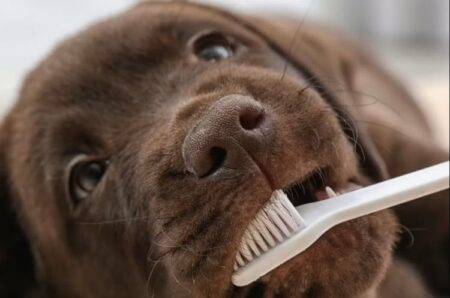
Dental Health for Dogs: Why It Matters More Than You Think

by Dr. Jacqueline Ansel, DVM, MVetSci

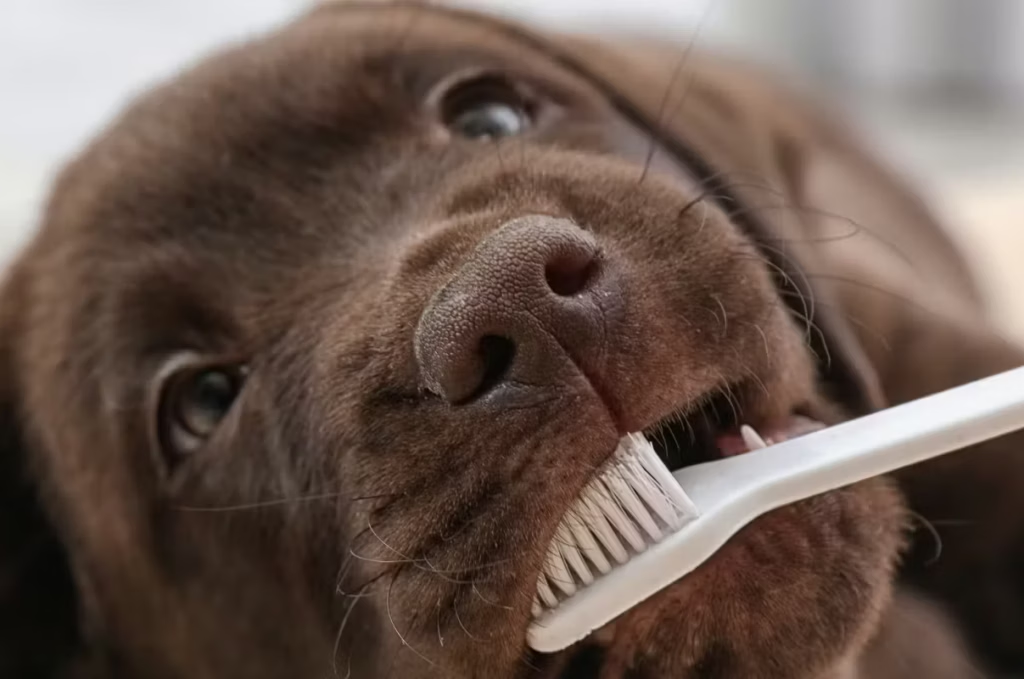
Dental health for dogs plays a critical role in your dog’s overall well-being, yet dental disease in dogs remains one of the most common medical conditions I see in veterinary practice. By the age of three, most dogs show signs of dental disease — often without obvious symptoms at home.

As a veterinarian, I see firsthand how preventable dental problems can affect a dog’s comfort, behavior, and long-term health. The good news is that with proper prevention and care, dogs can maintain good dental health well into their senior years.


How Dental Disease Affects Dogs

Dental disease in dogs is more than bad breath. As plaque and tartar build up along the gumline, inflammation and infection can develop, leading to pain and damage to the tissues that support the teeth. Dogs are remarkably good at hiding discomfort, so dental disease often goes unnoticed until it becomes more advanced.

Common effects of poor dog dental health include:

  • Difficulty chewing or dropping food
  • Decreased appetite or unintended weight loss
  • Reduced energy or lethargy
  • Behavioral changes such as irritability or withdrawal

Infected gums can also allow bacteria to enter the bloodstream. Over time, this chronic inflammation has been associated with stress on vital organs such as the heart, liver, and kidneys, and may negatively affect overall longevity.


At-Home Dental Care for Dogs

Daily dental care for dogs is the foundation of prevention. Disrupting plaque before it hardens into tartar can significantly slow the progression of dental disease.

Brushing your dog’s teeth is the gold standard, but I understand that it isn’t realistic for every dog or every household. For dogs that resist brushing, dental wipes can be a helpful alternative. When choosing dental products, look for those approved by the Veterinary Oral Health Council (VOHC), as these products have been shown to reduce plaque and tartar.

Many families also find that offering a VOHC-approved dental chew or treat after cleaning helps reinforce positive habits and makes dental care part of a routine dogs look forward to.


Professional Dental Care for Dogs (COHAT)

Even with excellent home care, many dogs benefit from periodic professional dental cleanings, known as Comprehensive Oral Health Assessment and Treatment (COHAT) procedures.

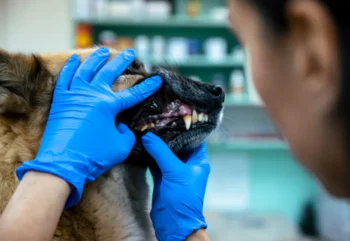
About two-thirds of each tooth lies below the gumline, where disease cannot be seen during a simple visual exam. Dental radiographs (full-mouth X-rays) are essential for identifying hidden disease and guiding appropriate treatment.

Before anesthesia, bloodwork is performed to evaluate organ function and ensure your dog is a safe candidate for the procedure. During a COHAT, dogs are placed under general anesthesia so a thorough, stress-free examination and cleaning can be completed while vital signs are closely monitored.


What Happens During a COHAT?

A professional dental cleaning for dogs typically includes:

  • Full-mouth dental radiographs to detect disease below the gumline
  • Periodontal probing and charting to assess gum health and tooth stability
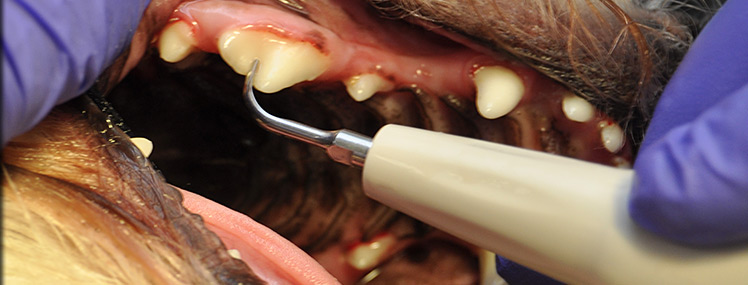
  • Ultrasonic scaling to remove plaque and tartar above and below the gumline
  • Polishing to smooth the enamel and slow future plaque buildup

This level of care allows veterinarians to identify and treat dental problems that simply cannot be addressed while a dog is awake.


Extractions (When Needed)

Some dental conditions require tooth removal to relieve pain and eliminate infection. Extractions may be recommended for fractured teeth, abscesses, root abnormalities, severe periodontal disease, or painful pulp exposure.

Although extractions can sound concerning, most dogs recover quickly and often feel noticeably better once painful or infected teeth are removed. Dogs adapt very well and are far more comfortable without diseased teeth than with them.


The Takeaway on Dental Health for Dogs

Dental health is not optional—it is a vital part of your dog’s overall comfort, health, and quality of life. With consistent at-home care and appropriate veterinary dental evaluations, you can help your dog stay comfortable, active, and happy for many years to come.

About the Author

About Dr. Jacqueline Ansel

Dr. Jacqueline Ansel is a veterinarian with advanced training in veterinary dentistry and a passion for improving comfort and quality of life for dogs and cats. Through her clinical work and education efforts, she focuses on helping pet parents understand dental health in clear, practical ways—so problems can be identified earlier and pets can live healthier, pain-free lives.

She is also the founder of Fur & Floss, a nonprofit organization dedicated to improving dental health for shelter and rescue animals through access to professional dental care and education. By addressing painful dental disease that often goes untreated, Fur & Floss helps pets become more comfortable, adoptable, and ready for their forever homes.

The F.L.E.A. Method: How to Choose the Best Flea Prevention for Your Pet

There’s a tiny pest that can cause big problems for our pets and our homes: the flea. As responsible pet parents, we know prevention is key, but walking down the pet care aisle or browsing online can be overwhelming. From topical spot-on treatments and oral tablets to medicated shampoos, how do you choose what’s best for your furry family member?

It can feel complicated, but it doesn’t have to be. To simplify the process, we’ve created a simple acronym to guide your decision: F.L.E.A. By considering these four key factors, you can confidently choose a preventative that keeps your pet safe, happy, and itch-free.

F is for Friendly

First and foremost, any product you use must be friendly—to your pet, to your family, and to the environment.

  • Pet Safety: Your pet’s health is the top priority. Some older flea products, while effective, can carry a risk of toxicity or severe neurological side effects if misapplied or given in the wrong dose. It’s crucial to read labels carefully and follow dosage instructions to the letter.
  • Know Your Ingredients: Many popular spot-on treatments contain synthetic pyrethroids like permethrin. These compounds are man-made versions of pyrethrins, which are natural insecticides derived from chrysanthemum flowers (Chrysanthemum spp.). While effective, they must be used with caution.
  • Environmental Impact: Consider products that are safe for the broader environment and non-target species.

CRITICAL WARNING FOR CAT OWNERS Never use a flea prevention product designed for dogs on your cat. Dogs and cats have different metabolisms, and ingredients like permethrin, which are safe for dogs in appropriate doses, are extremely toxic to cats and can cause severe seizures and even death. Always use a product specifically formulated for felines.

When in doubt, your veterinarian is your best resource to discuss the safety profile of any product you’re considering.

L is for Lifestyle

The best flea preventative is one that seamlessly fits into your life and your pet’s daily activities. What works for a quiet lap dog may not be the best choice for an adventurous, water-loving retriever.

Consider these lifestyle questions:

  • Does your pet swim or get bathed often? If your dog is a frequent swimmer or requires regular baths, a topical (spot-on) treatment may get washed away, reducing its effectiveness. In this case, an oral chewable tablet might be a more reliable choice.
  • Are you looking for convenience? If you have a hard time remembering to administer multiple monthly medications, consider an all-in-one product. Many modern oral and topical solutions combine flea prevention with protection against heartworms, ticks, and intestinal parasites.
  • Do you have a multi-pet household? It’s essential to treat all pets in the home, not just the one with visible fleas. An infestation can spread quickly between animals. Make sure the products you choose are safe for each species (dog, cat, etc.) in your home.

E is for Effective

A flea preventative is useless if it doesn’t work. The goal is to both kill existing fleas and prevent new ones from making a home on your pet.

  • Correct Application is Key: For topical products to work, they need to be applied directly to the skin, not just on the fur. They then spread through the oils on your pet’s skin. Shampoos, especially those with harsh detergents, can strip these oils and remove the product, so be sure to follow the product’s instructions regarding bathing.
  • Regional Resistance: In some areas, local flea populations may have developed resistance to certain active ingredients. If you find that a product that once worked is no longer effective, consult your veterinarian. They will be aware of regional resistance patterns and can recommend a more effective alternative.
  • Treat the Environment: Remember that only about 5% of the flea population (the adult fleas) are on your pet. The other 95%—eggs, larvae, and pupae—are in your home and yard. An effective plan includes treating your environment by vacuuming frequently, washing pet bedding in hot water, and considering pet-safe yard treatments.

A is for Affordable

The cost of flea prevention can vary widely, but it should always be viewed as an investment in your pet’s health. While it may seem like just another monthly expense, it can save you a significant amount of money and heartache down the road.

A flea infestation can lead to other costly health issues, including:

  • Tapeworms: Fleas are common carriers of tapeworm eggs. If a pet ingests an infected flea while grooming, they can develop a tapeworm infection that requires specific deworming medication.
  • Skin Infections: Constant scratching from flea bites can lead to painful skin infections, known as “hot spots” or flea allergy dermatitis, often requiring multiple vet visits, antibiotics, and steroid treatments.
  • Anemia: In severe infestations, especially in puppies, kittens, or small pets, the blood loss from thousands of flea bites can lead to life-threatening anemia.

While professional products recommended by your vet are often the most effective, discuss all options with them, including reputable over-the-counter brands, to find a solution that fits your budget.

Girl washing her dog in the garden

What About Dawn Dish Soap?

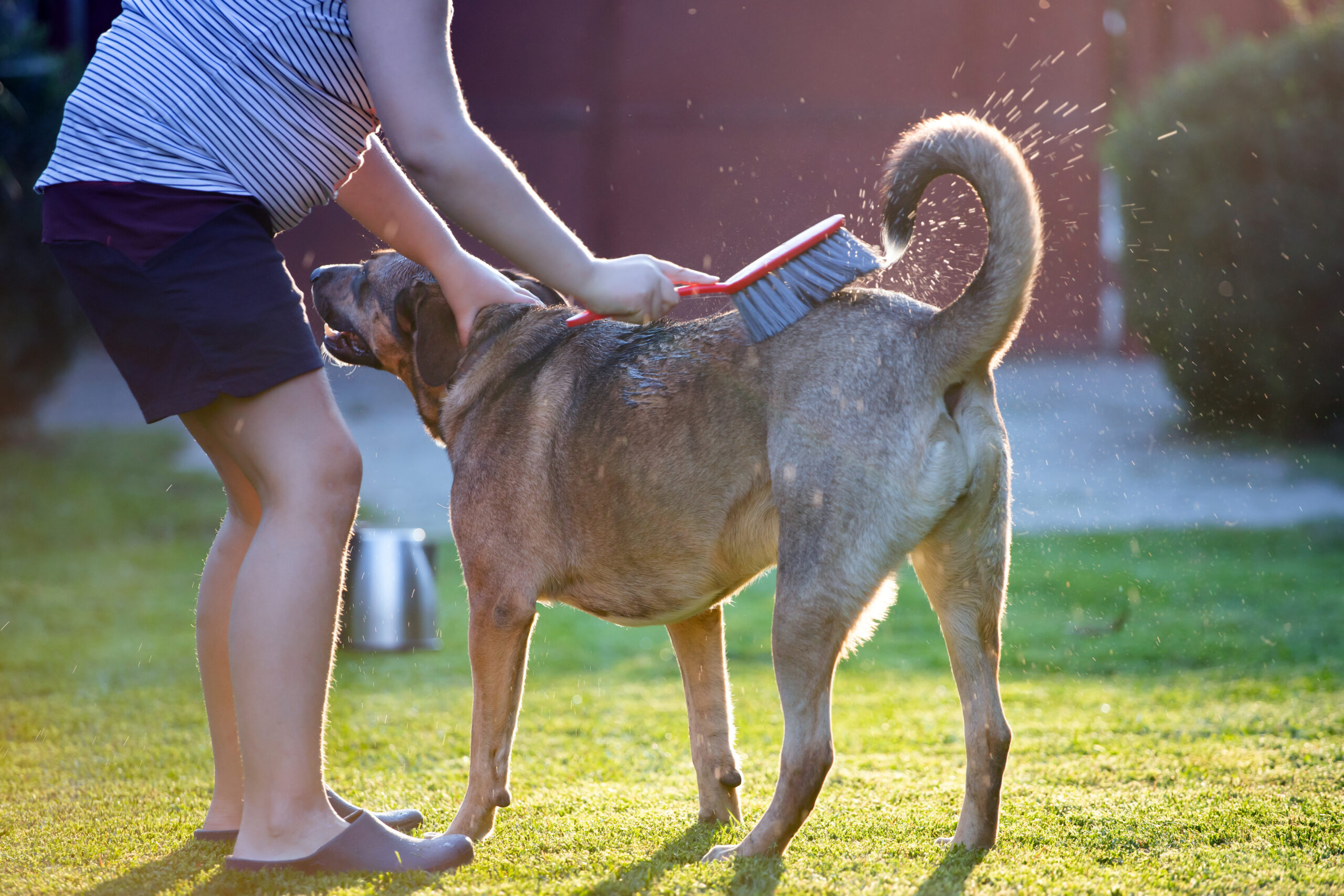
You may have heard that a bath in Dawn dish soap can kill fleas. This is true—it acts as a surfactant that breaks down the fleas’ exoskeletons, causing them to drown. However, it should only be considered a temporary, one-time fix to remove adult fleas currently on your pet. It offers no residual protection, meaning new fleas can jump right back on as soon as your pet is dry. Furthermore, dish soap can be harsh and strip the natural oils from your pet’s skin, leading to dryness and irritation.

Your Veterinarian Is Your Partner

Choosing the right flea control is a crucial decision for your pet’s well-being. By using the F.L.E.A. method—prioritizing a Friendly, Lifestyle-appropriate, Effective, and Affordable solution—you can narrow down the choices.

Remember, veterinarians are your best partners in pet health. They are always happy to answer your questions and help you navigate these decisions to keep your best friend protected.

Common Household Poisons for Pets: Top 10 Toxins to Watch Out For

Why Pet Parents Need to Know About Household Toxins

Our furry family members have a knack for getting into things they shouldn’t. From prescription bottles knocked off a counter to a few grapes left on the table, everyday items can pose a serious health risk to pets.
At The Pet Pantry, we believe healthy pets start with knowledge. That’s why we’ve put together this guide on the top 10 household poisons for dogs and cats—what they are, what symptoms to look for, and what steps to take if your pet is exposed.

Top 10 Household Poisons for Pets

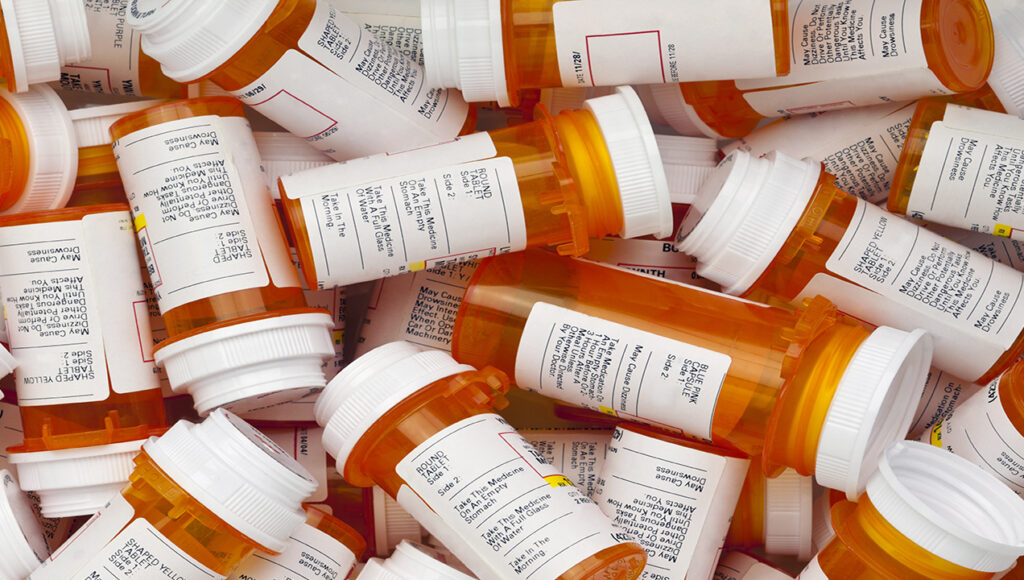
  1. Human Prescription Medications
    • Drugs like SSRIs (used for depression and anxiety) can cause serious side effects in pets.
      Signs of toxicity: sedation, agitation, vomiting, seizures, diarrhea, abdominal pain, or high body temperature.
  2. Amphetamines
    • These include prescription medications for ADHD (like Adderall) as well as illegal substances such as methamphetamine or ecstasy.
      Signs of toxicity: hyperactivity, tremors, seizures, vomiting, diarrhea, increased heart rate, panting, or excessive drooling.
  3. Sleep Aids
    • Medications like Ambien and Lunesta may calm you, but they can do the opposite for pets.
      Signs of toxicity: anxiety, agitation, tremors, lack of coordination, nausea, vomiting, diarrhea, or overheating.
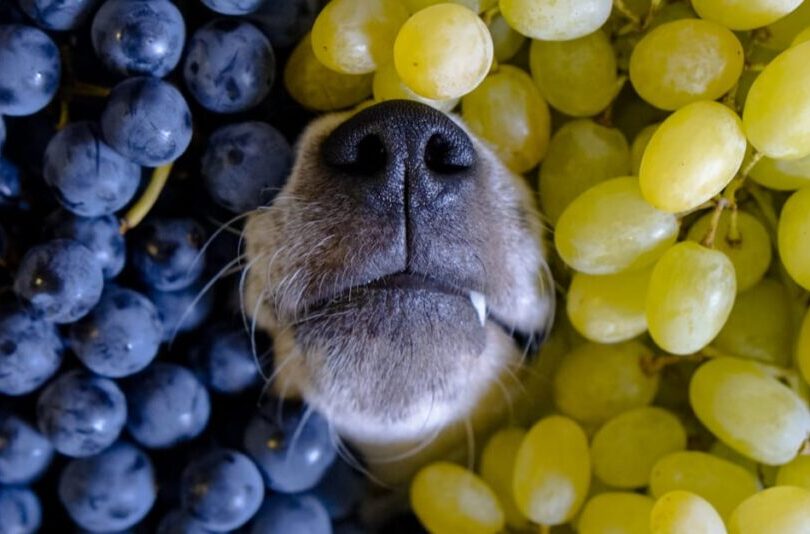
  4. Grapes, Raisins, and Currants
    • Even small amounts can cause acute kidney failure in dogs.
      Signs of toxicity: vomiting, diarrhea, dehydration, abdominal pain, lethargy, or refusal to eat. Symptoms can appear within 24 hours.
  5. NSAIDs (Non-Steroidal Anti-Inflammatory Drugs)
    • Common pain relievers like ibuprofen (Advil) or naproxen (Aleve) can harm your pet’s stomach, kidneys, and nervous system. Cats are especially vulnerable.
      Signs of toxicity: loss of appetite, vomiting, diarrhea (sometimes black/tarry), abdominal pain, dehydration, or lethargy.
  6. Acetaminophen (Tylenol)
    • Safe for humans but toxic for pets, especially cats.
      Cats: facial swelling, breathing difficulty, brown gums, vomiting, or loss of appetite.
      Dogs: liver damage leading to lethargy, vomiting, jaundice, or neurological symptoms.
  7. Xylitol
    • This sugar substitute is found in sugar-free gum, candies, peanut butter, mints, toothpaste, and chewable vitamins. Even a small amount can be deadly.
      Signs of toxicity: vomiting, weakness, collapse, lethargy, tremors, or dangerously low blood sugar.
  8. Rodent Poison (Bait Stations)
    • Often flavored to attract pests—but also tempting to pets. Symptoms may not appear for up to 48 hours.
      Signs of toxicity: vomiting, bloating, abdominal pain, tremors, seizures, difficulty breathing, or internal bleeding.
  9. Household Cleaners
    • Most surface cleaners only cause mild stomach upset, but concentrated cleaners and corrosive chemicals can cause burns and organ damage.
      Prevention tip: keep all cleaners out of paw’s reach and avoid using open containers around curious pets.
  10. Batteries
    • If punctured or chewed, batteries can leak acid or alkaline material, causing severe burns.
      Most dangerous: small lithium “button” batteries, which can cause GI tract damage within 30 minutes of ingestion.

What to Do if Your Pet Ingests Something Toxic

  1. Don’t Wait
    • If you suspect your dog or cat has eaten or chewed something toxic, call your veterinarian immediately. Time is critical.
  2. Contact the Pet Poison Helpline
    • This 24/7 resource provides emergency help and guidance:
      Pet Poison Helpline: 1-855-764-7661
      Website: www.petpoisonhelpline.com
  3. Pet-proof Your Home
    • Store all medications in closed cabinets
    • Keep grapes, chocolate, onions, sugar-free gum, and any other toxic consumables out of reach
    • Dispose of batteries and rodent baits securely

Prevention is the Best Medicine

Accidental poisoning is scary—but it’s also preventable. By educating yourself and pet-proofing your home, you can drastically reduce the risk.
At The Pet Pantry, we’re committed to supporting pet parents with not just nutrition, but resources that keep your furry family safe and healthy. Pair this safety knowledge with our Holistic Choice® pet foods, and you’ll be giving your pets the best of both worlds: a safe home and wholesome meals.

Final Thoughts

Your pet’s safety starts with awareness. From over-the-counter pills to hidden household hazards like xylitol and batteries, knowing what’s dangerous is half the battle.
And remember—if you ever have doubts, call your vet or the Pet Poison Helpline right away. Quick action saves lives!

Is Your Dog Constantly Scratching? A Pet Parent’s Guide to Dog Allergies

As pet parents, we hate seeing our furry friends in discomfort. One of the most common reasons for a dog’s distress is allergies. That constant scratching, licking, or an upset stomach can be worrying. But what exactly is an allergy, and what can you do about it?

Just like people, dogs can have allergic reactions when their immune systems mistake everyday substances—or allergens—for a dangerous threat. While these allergens are harmless to most animals, a dog with allergies will have an extreme reaction.

This guide will walk you through how to identify, diagnose, and manage your dog’s allergies so you can help them get back to being their happy, healthy self.

What Are Dog Allergies?

An allergy is an overreaction of the immune system to a substance in the environment. These allergens can become a problem for your dog in three main ways:

  1. Inhaled: Breathing in allergens like pollen, mold, or dust.
  2. Ingested: Eating an ingredient that triggers a reaction.
  3. Contact: The allergen touches your dog’s skin.

As your dog’s body tries to fight off and get rid of these substances, a variety of skin, digestive, and respiratory symptoms can appear.

Spotting the Signs: Common Symptoms of Allergies in Dogs

Allergies can manifest in many different ways, and sometimes the signs are subtle. Keep an eye out for these common symptoms:

  • Skin Issues: Itchy, red, moist, or scabbed skin is the most frequent sign.
  • Constant Scratching: More than the occasional itch, especially around the ears, paws, and belly.
  • Itchy Back or Tail Base: This is a classic sign of a flea allergy.
  • Paw Chewing or Swollen Paws: Persistent licking and chewing can lead to irritation and swelling.
  • Ear Problems: Itchy ears and recurrent ear infections are very common.
  • Eye Irritation: Itchy, runny, or red eyes.
  • Respiratory Symptoms: Sneezing or snoring caused by an inflamed throat.
  • Digestive Upset: Vomiting or diarrhea, often associated with food allergies.
  • Constant Licking: Licking a specific area excessively.

It’s also important to note that allergic dogs may suffer from secondary bacterial or yeast skin infections, which can cause hair loss, scabs, or crusts on the skin.

What’s Causing the Itch? Common Canine Allergens

A wide range of substances can trigger an allergic reaction in dogs. Here are some of the most common culprits:

  • Environmental Allergens: Tree, grass, and weed pollens; mold spores; dust and house dust mites.
  • Food Ingredients: Common proteins and grains like beef, chicken, pork, corn, wheat, or soy.
  • Fleas: The saliva from a single flea bite can trigger a severe reaction (flea allergy dermatitis).
  • Household Irritants: Perfumes, cleaning products, cigarette smoke, and even some fabrics.
  • Other: Animal dander (from other pets), feathers, insecticidal shampoos, and materials like rubber and plastic.

Which Dogs Are Most at Risk?

Any dog of any breed can develop allergies at any point in its life. However, they seem to be especially common in Terriers, Setters, Retrievers, and flat-faced (brachycephalic) breeds like Pugs, Bulldogs, and Boston Terriers.

Getting a Diagnosis: How to Know for Sure

If you suspect your dog has allergies, the first step is always a visit to your veterinarian. They can rule out other conditions and help you form a plan.

  • For Environmental Allergies: If your dog’s skin irritation persists, your vet may recommend allergy testing, often performed by a veterinary dermatologist. The most common method is an intradermal skin test, similar to what’s used for humans, to pinpoint the specific allergens.
  • For Food Allergies: The only reliable way to diagnose a food allergy is with an elimination diet. This involves feeding your dog a special, limited-ingredient diet with a protein and carbohydrate source they’ve never eaten before. For this to work, it’s crucial that your dog eats nothing else—no treats, table scraps, or flavored medications. Once symptoms improve, you will slowly reintroduce old ingredients one by one to see which one causes the reaction.

How Can Dog Allergies Be Treated and Managed?

The best way to treat allergies is to avoid the allergen, though that isn’t always possible. Here are the most effective strategies for managing your dog’s symptoms.

  • Prevention & Environmental Control
    • Flea Control: Prevention is key. Use a high-quality, vet-recommended flea control program for all pets in your household year-round.
    • A Cleaner Home: If dust mites are the issue, wash your pet’s bedding weekly in hot water and vacuum floors and furniture frequently.
    • Air Purity: Use an air purifier to help filter out airborne allergens like pollen and mold spores.
  • Bathing and Skin Care
    • Weekly bathing with a vet-approved hypoallergenic or medicated shampoo can provide significant relief. It helps remove environmental allergens from your dog’s coat and can soothe irritated skin. Be careful not to use the wrong products, as frequent bathing can also dry out the skin.
  • Dietary Management for Food Allergies
    • If a food allergy is diagnosed, the solution is simple: avoid the problem ingredient. For example, if your dog is allergic to chicken, you must avoid all foods, treats, and supplements containing chicken protein or fat. Switching to a high-quality, limited ingredient diet is often the best long-term solution for these pups.
  • Medications and Supplements
    • When allergens can’t be avoided, your vet may recommend medication to control the symptoms:
      • Allergy Injections (Immunotherapy): For airborne allergens, these injections can help your dog’s immune system become less reactive over time.
      • Medications: Antihistamines may help some dogs, while stronger prescription drugs like immune modulators or corticosteroids (e.g., cortisone) may be needed for severe cases. These should only be used under the strict guidance of your veterinarian.
      • Supplements & Topicals: Fatty acid supplements (like Omega-3) can support skin health and reduce inflammation. Soothing sprays containing oatmeal or aloe can also provide temporary relief for itchy spots.

A Happier, Itch-Free Life is Possible

Dealing with dog allergies can feel overwhelming, but with a proper diagnosis and a consistent management plan, you can significantly improve your dog’s quality of life. Always work closely with your veterinarian to find the best path forward for your four-legged family member.

Have questions about finding the right food for your sensitive dog? Explore our line of our Holistic Choice formulas crafted to support dogs with unique dietary needs!

A Pet Parent’s Guide: 5 Keys to Safer Anesthesia for Your Dog or Cat

As pet parents, hearing that our furry family member needs to undergo anesthesia can be nerve-wracking. Whether it’s for a routine dental cleaning, a spay/neuter procedure, or a more complex surgery, we want to ensure they are as safe as possible.

The good news is that veterinary anesthesia is safer today than ever before. While any anesthetic procedure carries inherent risks, modern veterinary medicine has established protocols to significantly minimize them. Understanding these safety measures can empower you to have a more confident conversation with your veterinarian and ensure your pet receives the best care.

Here are the five essential things your pet needs when going under anesthesia.

Pre-Anesthetic Blood Work: A Look ‘Under the Hood’

Before a procedure, your veterinarian will likely recommend pre-anesthetic blood work. Think of this as a crucial safety check that gives a snapshot of your pet’s internal health.

This simple blood test evaluates the function of your pet’s vital organs, particularly the liver and kidneys, which are responsible for processing and eliminating anesthetic agents from the body.

  • What it reveals: The results provide your veterinarian with critical information about how well these organs are working.
  • How it customizes care: If the results show a potential issue, like slightly elevated liver values, your vet can tailor the anesthesia protocol specifically for your pet. They might choose a different anesthetic drug that is less taxing on the liver, ensuring a safer process.
  • When to postpone: In some cases, if the blood work reveals a significant risk, your veterinarian may recommend postponing an elective procedure to address the underlying health issue first.

While you may be given the option to decline this test, it’s a vital tool for ensuring your pet’s safety. For pets aged two or three and older, a more comprehensive panel is often recommended annually to monitor their ongoing health.

IV Catheter and Fluids: A Direct Lifeline

During the procedure, you’ll want your pet to have an intravenous (IV) catheter and receive intraoperative fluid therapy. This isn’t just an add-on; it’s a fundamental part of modern anesthetic safety.

An IV catheter is a small tube placed directly into your pet’s vein. This provides a direct, immediate line for two critical purposes:

  • Emergency Access: Should any unexpected event occur, like a sudden drop in blood pressure or an arrhythmia, the IV catheter allows the veterinary team to administer life-saving emergency drugs instantly.
  • Hydration and Blood Pressure Support: IV fluids help maintain your pet’s hydration and blood pressure throughout the procedure. Stable blood pressure ensures that vital organs like the kidneys, heart, and brain continue to receive a healthy supply of oxygen-rich blood.

Comprehensive Monitoring: The Watchful Eye

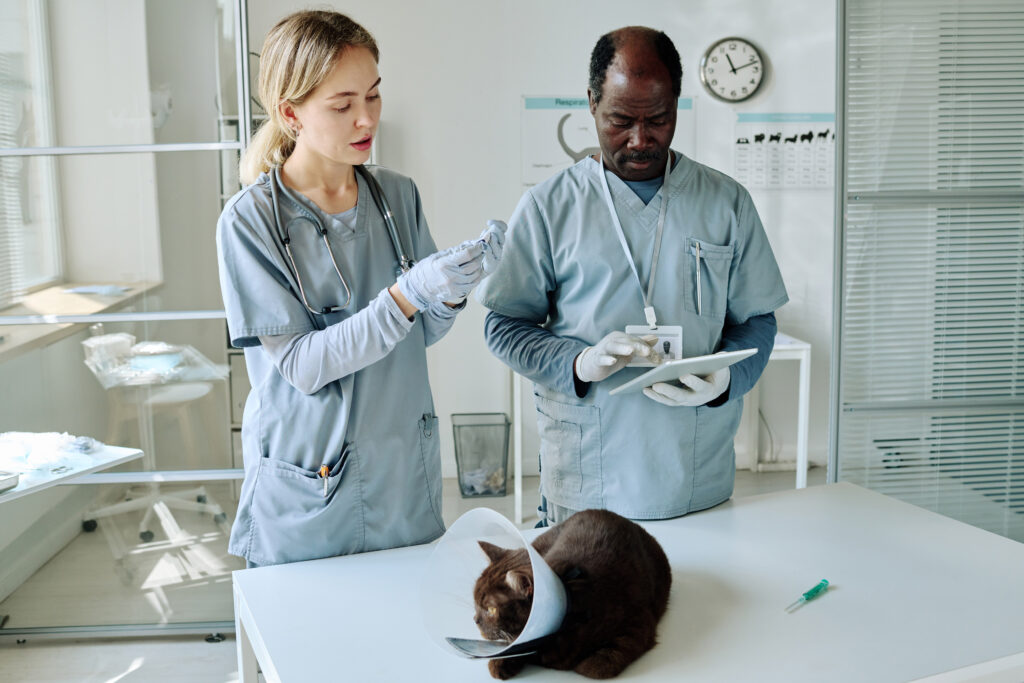
You won’t be in the operating room, but a trained veterinary technician or assistant should be, acting as a dedicated anesthetist for your pet. Their job is to closely monitor your pet’s vitals from the moment they are sedated until they are fully awake.

This dedicated assistant uses advanced monitoring equipment to keep a constant watch over:

  • Heart Rate and Rhythm: To ensure the heart is handling the anesthesia well.
  • Oxygen Saturation (SpO2​): A pulse oximeter checks that your pet’s blood is carrying enough oxygen.
  • Carbon Dioxide Levels (CO2​): A capnograph monitors breathing effectiveness.
  • Blood Pressure: To ensure organs are being properly perfused with blood.
  • Temperature: Anesthesia can cause a drop in body temperature, so keeping your pet warm is crucial for a smooth recovery.

This continuous, detailed monitoring allows the veterinary team to catch and correct subtle changes before they can become serious problems.

Thorough Management: Before, During, and After

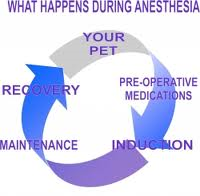
Excellent anesthetic care extends beyond the procedure itself. It involves a complete management plan that includes a thorough examination and appropriate medications at every stage.

Your veterinarian should conduct a full physical exam before the procedure to ensure your pet is healthy enough for anesthesia. Throughout the process, they will administer medications tailored to your pet’s needs, which may include:

  • Pre-operative antibiotics to prevent infection.
  • Multi-modal pain medications (given before, during, and after) to keep your pet comfortable and reduce stress.
  • Nerve blocks or epidurals for targeted pain relief during certain procedures.

Proper pain management isn’t just about comfort—it’s clinically proven to lead to smoother, faster recoveries. For this reason, many veterinarians consider pain medication a mandatory part of the process, not an optional one.

Clear Education and Discharge Instructions: Your Role in Recovery

A strong, open relationship with your veterinary team is key. Don’t be afraid to ask questions! Understanding what to expect before you even leave for the clinic can make the entire process less stressful for both you and your pet.

When it’s time to go home, a veterinary technician or assistant will provide discharge instructions. While these are often detailed, it’s a great time to clarify anything you’re unsure about. A crucial part of your role begins at home, especially in the first 24 hours.

A Common Post-Anesthesia Tip: Nausea is a frequent side effect. Follow this simple protocol at home:

Once home, offer your pet a small amount of water.

If they keep the water down for 30-60 minutes, you can offer a small meal (about a quarter of their usual portion).

If your pet vomits, withhold food and water for another two hours, then try again with a small amount of water.

If vomiting persists, or if your pet seems excessively groggy, pained, or hasn’t eaten within 24 hours, contact your veterinarian immediately.

Conclusion: Partnering with Your Vet for Peace of Mind

Putting your beloved companion under anesthesia requires trust. By ensuring these five key elements are in place, you are taking a proactive role in their safety and well-being. These steps, which are standard in human medicine, are becoming the gold standard in veterinary care for a reason—they work.

Talk to your veterinarian about their specific anesthesia and monitoring protocols. An open conversation will give you the peace of mind that your pet is in the best possible hands.

Is Your Pet Silently Suffering? 6 Key Signs of Dental Disease to Watch For

As pet parents, we love the cuddles and sloppy kisses from our furry companions. But if you find yourself turning away because of your pet’s bad breath, it might be a sign of something more serious than just what they had for dinner.

Dental disease, also known as periodontal disease, is one of the most common health problems diagnosed in adult dogs and cats. It’s often a silent issue that progresses without us even noticing. The good news is that with a little knowledge and proactive care, you can protect your pet’s pearly whites and their overall health.

This guide will walk you through what causes dental disease, the key signs to look for, and how you can keep your pet’s mouth healthy and pain-free.

What Is Pet Dental Disease and Why Does It Matter?

Just like in humans, the process of dental disease starts with the buildup of bacteria on the teeth, forming a sticky film called plaque. When plaque isn’t removed, it hardens into tartar—a tough, yellowish-brown deposit.

If left untreated, this tartar buildup can cause significant problems:

  1. Inflammation: Tartar can grow under the gumline (the gingiva), causing inflammation, redness, and pain. This initial stage is known as gingivitis.
  2. Bacterial Infection: The real trouble begins as harmful bacteria thrive in this environment. They produce toxins that start to destroy the gum tissue and the supporting structures of the teeth.
  3. Bone and Tooth Loss: Over time, this infection can lead to bone loss in the jaw, causing teeth to become loose and eventually fall out or require extraction by a veterinarian.

The danger doesn’t stop in the mouth. In severe cases, bacteria from the infected gums can enter the bloodstream and travel throughout the body, potentially causing serious infections and damage to vital organs like the heart, liver, and kidneys.

6 Key Signs of Dental Disease in Your Pet

Your pet can’t tell you when their mouth hurts. That’s why it’s crucial for you to be vigilant and watch for these common warning signs.

1. Discoloration on the Teeth

  • Look for a yellowish or brown crust on the tooth surface, especially on the back molars and canine teeth. This is hardened tartar and a clear indicator that a dental cleaning is needed.

2. Persistent Bad Breath (Halitosis)

  • While “doggie breath” is a common phrase, excessively foul or unusual odors from your pet’s mouth are not normal. This is often caused by the bacteria associated with dental disease.

3. Red, Swollen, or Bleeding Gums

  • Healthy gums should be a firm, light pink color. If you notice your pet’s gums are bright red, puffy, or bleed when they eat or chew on a toy, it’s a sign of inflammation (gingivitis).

4. Excessive Drooling

  • While some breeds naturally drool, a sudden increase in drooling or saliva that is tinged with blood can signal oral pain or discomfort.

5. Discomfort While Chewing

  • Have you noticed your pet dropping food, chewing on only one side of their mouth, or shying away when you touch their face? These are classic signs of dental pain. They may also lose interest in hard food or their favorite chew toys.

6. Loose or Missing Teeth

  • This is a more advanced sign of dental disease. If you find a tooth on the floor or notice one is loose, it means the underlying support structures have already been severely damaged

A Proactive Approach: How to Protect Your Pet’s Smile

The best way to manage dental disease is through prevention. A consistent oral hygiene routine can make a world of difference for your pet’s health and comfort.

At-Home Dental Care

Brushing: Regular teeth brushing with a pet-safe toothpaste is the gold standard for removing plaque before it turns into tartar.

Dental Chews & Toys: Certain chewing devices and toys are specially designed with ridges and textures that help scrape plaque off your pet’s teeth as they chew.

Special Diets & Treats: Ask your veterinarian about diets and treats formulated to help reduce plaque and tartar buildup. The crunchy kibble and unique shapes can create a brushing-like action.

Professional Veterinary Cleanings

For most pets, at-home care isn’t enough to completely prevent tartar. That’s why a yearly professional dental cleaning by your veterinarian is essential. During this procedure, your pet is safely placed under anesthesia, allowing the veterinary team to thoroughly clean, scale, and polish each tooth—both above and below the gumline. This process removes all plaque and tartar buildup, reduces inflammation, and helps prevent future health complications.

Plus, it has the wonderful side effect of getting rid of that dreaded “doggie breath”!

Don’t Wait—Check Your Pet’s Smile Today

Your pet’s oral health is a critical window into their overall well-being. By being proactive and watching for the key signs of dental disease, you can prevent unnecessary pain and costly health problems down the road.

While February is National Pet Dental Health Month, there’s no wrong time to focus on your pet’s oral hygiene. Take a moment to check your pet’s teeth and gums today. If you notice any of the signs we’ve discussed, or if you have any questions, please contact your veterinarian. They can provide a full dental assessment and recommend the best course of action to keep your beloved companion happy, healthy, and full of fresh-breathed kisses for years to come.