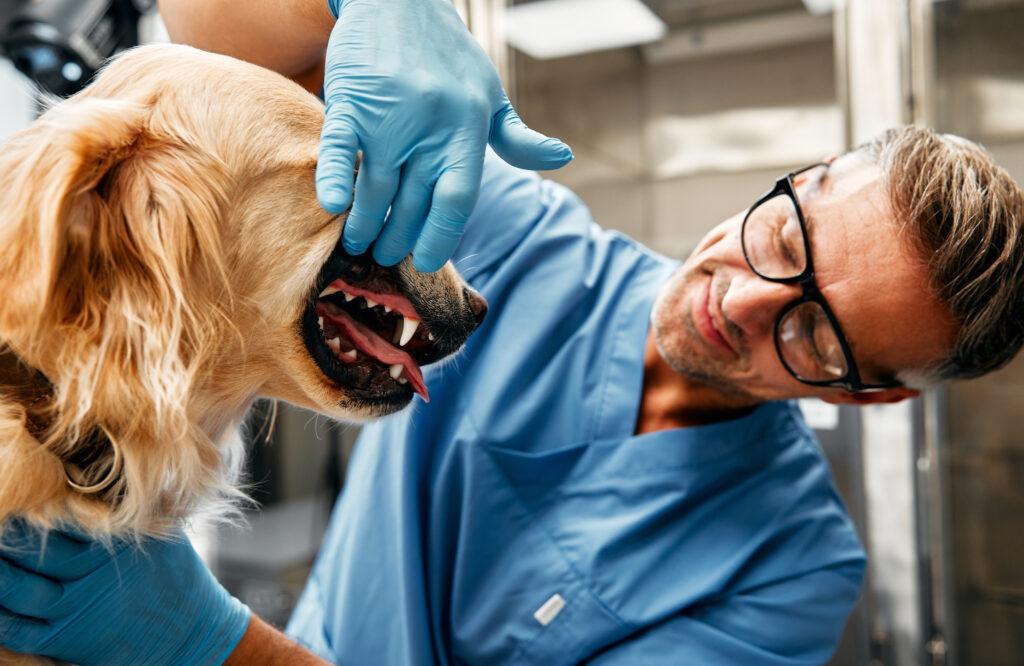
Dental Health for Cats: Small Mouth, Big Impact

by Dr. Jacqueline Ansel, DVM, MVetSci

Dental health in cats is one of the most common and most overlooked medical and hygienic places on a cat. Dental disease is a medical condition which can develop in cats if their dental health is not maintained. In fact, did you know that the majority of cats over the age of three show signs of periodontal disease.

Cats are masters at hiding pain. That means dental disease often progresses silently, affecting comfort, appetite, and overall health long before obvious symptoms appear.

As a veterinarian, I frequently see cats whose dental discomfort has been mistaken for “picky eating” or “just getting older.” The truth is, feline dental disease can significantly impact quality of life and it’s far more manageable when caught early.


How Dental Disease Affects Cats

Dental disease in cats begins with plaque buildup along the gumline. Without intervention, plaque hardens into tartar, leading to gingivitis (gum inflammation), periodontal disease, and eventually infection or tooth loss.

Because cats are naturally stoic, the signs are often subtle.

Common symptoms of dental disease in cats include:

  • Reduced appetite or food refusal
  • Dropping food or chewing on one side
  • Weight loss
  • Bad breath (often more noticeable than owners realize)
  • Pawing at the mouth
  • Hiding, irritability, or decreased interaction
  • Preference for soft food over dry food

It’s important to understand that dental disease is not just about the mouth. Oral bacteria can enter the bloodstream and contribute to inflammation affecting the heart, kidneys, and liver. Chronic dental inflammation may also worsen existing kidney disease, a common concern in aging cats.

Left untreated, dental disease in cats becomes painful and progressive.


Unique Dental Conditions in Cats

Cats are particularly prone to a painful condition called tooth resorption. This occurs when the body begins breaking down the tooth structure itself, often below the gumline.

Tooth resorption:

  • Is extremely common in adult cats
  • Cannot be diagnosed without dental radiographs
  • Often appears normal on the surface
  • Requires extraction for relief

Many cats suffering from resorptive lesions appear outwardly normal until advanced disease is discovered on X-rays.

This is one reason routine dental exams and professional dental care are so important in feline patients.


At-Home Dental Care for Cats

Daily dental health for cats can be challenging, but even small, consistent efforts make a meaningful difference.

Helpful at-home dental options include:

  • VOHC-approved dental wipes
  • Feline-specific toothbrush and enzymatic toothpaste
  • Dental diets designed to reduce plaque
  • Water additives (when tolerated)

When choosing dental products, look for the Veterinary Oral Health Council (VOHC) seal. This ensures the product has been tested and shown to reduce plaque or tartar.

Pair dental care with a positive reward, gentle praise, petting, or a favorite activity to help reduce stress. Consistency matters more than perfection.

If brushing isn’t possible, don’t give up. Partial plaque control is still better than none.


Professional Dental Care for Cats (COHAT)

Most cats will require professional dental cleanings during their lifetime. These procedures are called Comprehensive Oral Health Assessment and Treatment (COHAT).

Because up to two-thirds of each tooth lies beneath the gumline, dental radiographs are essential for identifying disease that cannot be seen during a visual exam.

Prior to anesthesia, pre-operative bloodwork is performed to evaluate organ function and ensure safety. During the procedure, cats are placed under general anesthesia so a complete, pain-free examination and cleaning can be performed while vital signs are closely monitored.

A feline COHAT includes:

  • Full-mouth dental radiographs
  • Probing and charting of every tooth
  • Ultrasonic scaling to remove plaque and tartar
  • Polishing to smooth enamel and reduce future buildup
  • Extractions when necessary

Anesthesia is often a concern for cat owners. Modern veterinary anesthesia is highly monitored and tailored to each patient’s health status. The risks of untreated dental disease often outweigh the risks of a properly managed anesthetic procedure.


Extractions: Why Removal Can Be the Kindest Option

Cats frequently require extractions, especially with advanced periodontal disease or tooth resorption.

While the idea of tooth removal can feel alarming, cats typically experience significant relief afterward. Once painful teeth are removed and inflammation resolves, many owners report:

  • Improved appetite
  • Increased energy
  • More social behavior
  • Better grooming habits

Cats adapt remarkably well — even after multiple extractions.


How Often Should Cats Have Dental Exams?

All cats should receive an oral exam during their annual veterinary visit. Senior cats or those with known dental disease may require evaluations every 6 months.

If you notice any change in eating habits, behavior, or weight, a dental exam should be part of the diagnostic plan.

Early intervention is always easier and less costly than treating advanced disease.


The Takeaway: Protecting Your Cat’s Oral Health

Dental disease in cats is common, painful, and often hidden but it is highly manageable with the right approach.

A combination of:

  • Routine veterinary dental exams
  • Professional cleanings when indicated
  • Consistent at-home dental support

…can protect your cat’s comfort, behavior, and long-term health.

Healthy teeth are not cosmetic. They are foundational to your cat’s overall well-being.
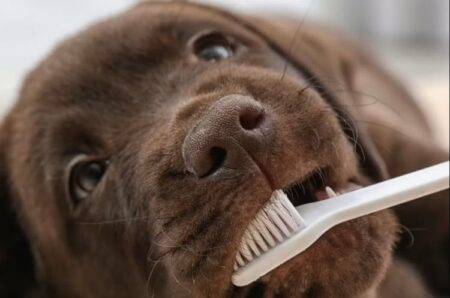
Dental Health for Dogs: Why It Matters More Than You Think

by Dr. Jacqueline Ansel, DVM, MVetSci

Dental health for dogs plays a critical role in your dog’s overall well-being, yet dental disease in dogs remains one of the most common medical conditions I see in veterinary practice. By the age of three, most dogs show signs of dental disease — often without obvious symptoms at home.

As a veterinarian, I see firsthand how preventable dental problems can affect a dog’s comfort, behavior, and long-term health. The good news is that with proper prevention and care, dogs can maintain good dental health well into their senior years.


How Dental Disease Affects Dogs

Dental disease in dogs is more than bad breath. As plaque and tartar build up along the gumline, inflammation and infection can develop, leading to pain and damage to the tissues that support the teeth. Dogs are remarkably good at hiding discomfort, so dental disease often goes unnoticed until it becomes more advanced.

Common effects of poor dog dental health include:

  • Difficulty chewing or dropping food
  • Decreased appetite or unintended weight loss
  • Reduced energy or lethargy
  • Behavioral changes such as irritability or withdrawal

Infected gums can also allow bacteria to enter the bloodstream. Over time, this chronic inflammation has been associated with stress on vital organs such as the heart, liver, and kidneys, and may negatively affect overall longevity.


At-Home Dental Care for Dogs

Daily dental care for dogs is the foundation of prevention. Disrupting plaque before it hardens into tartar can significantly slow the progression of dental disease.

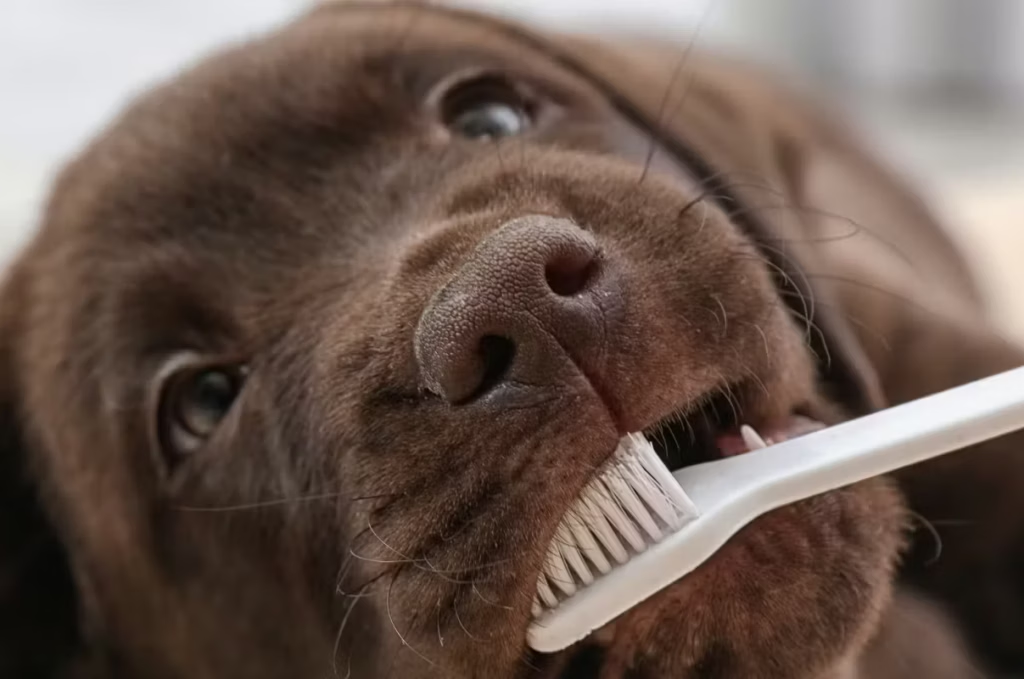
Brushing your dog’s teeth is the gold standard, but I understand that it isn’t realistic for every dog or every household. For dogs that resist brushing, dental wipes can be a helpful alternative. When choosing dental products, look for those approved by the Veterinary Oral Health Council (VOHC), as these products have been shown to reduce plaque and tartar.

Many families also find that offering a VOHC-approved dental chew or treat after cleaning helps reinforce positive habits and makes dental care part of a routine dogs look forward to.


Professional Dental Care for Dogs (COHAT)

Even with excellent home care, many dogs benefit from periodic professional dental cleanings, known as Comprehensive Oral Health Assessment and Treatment (COHAT) procedures.

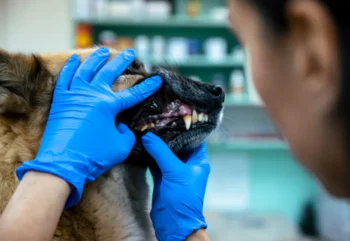
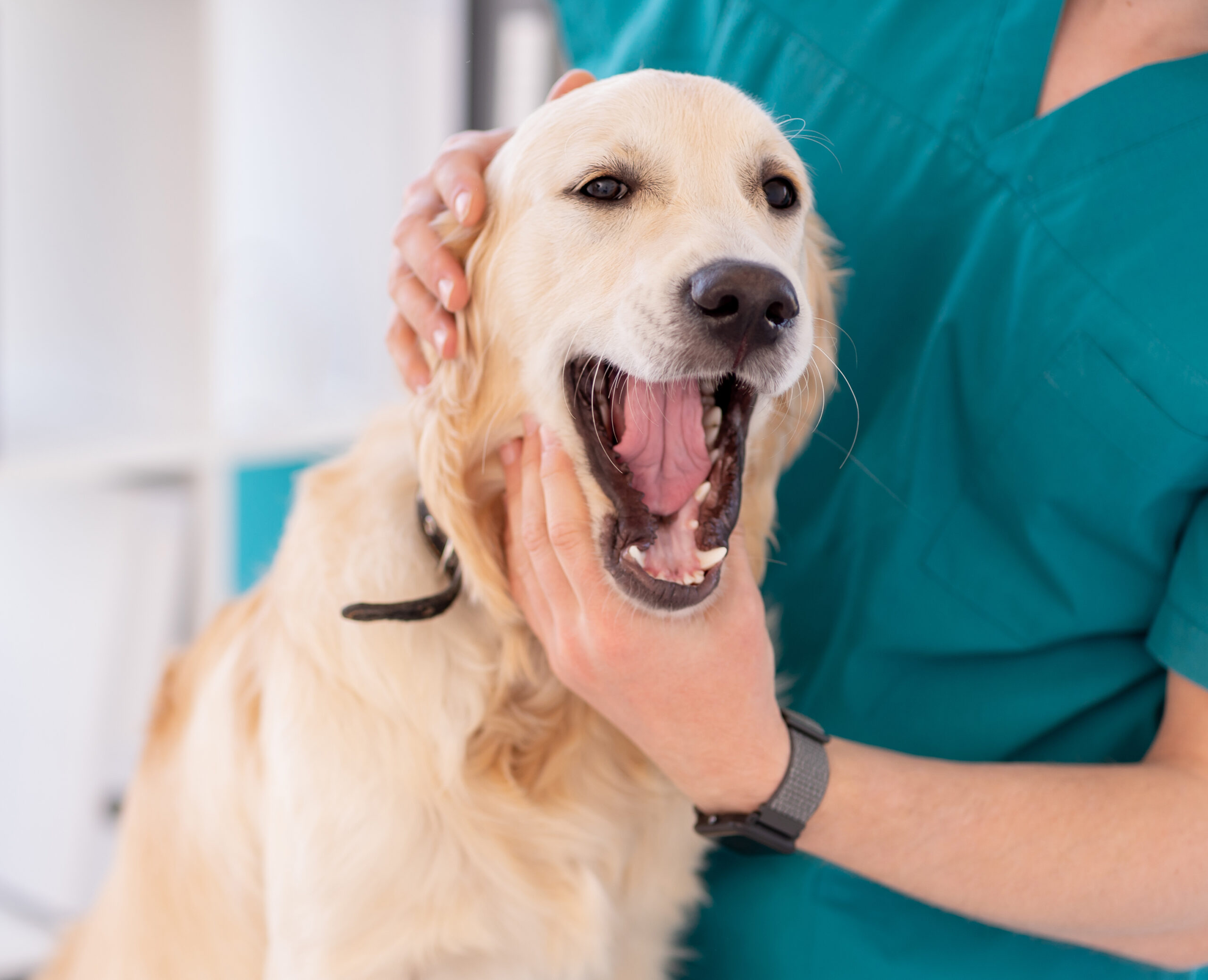
About two-thirds of each tooth lies below the gumline, where disease cannot be seen during a simple visual exam. Dental radiographs (full-mouth X-rays) are essential for identifying hidden disease and guiding appropriate treatment.

Before anesthesia, bloodwork is performed to evaluate organ function and ensure your dog is a safe candidate for the procedure. During a COHAT, dogs are placed under general anesthesia so a thorough, stress-free examination and cleaning can be completed while vital signs are closely monitored.


What Happens During a COHAT?

A professional dental cleaning for dogs typically includes:

  • Full-mouth dental radiographs to detect disease below the gumline
  • Periodontal probing and charting to assess gum health and tooth stability
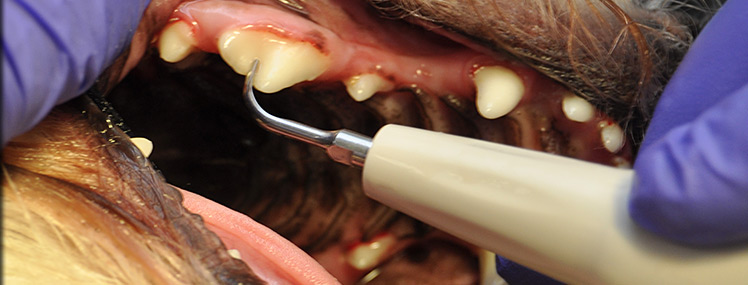
  • Ultrasonic scaling to remove plaque and tartar above and below the gumline
  • Polishing to smooth the enamel and slow future plaque buildup

This level of care allows veterinarians to identify and treat dental problems that simply cannot be addressed while a dog is awake.


Extractions (When Needed)

Some dental conditions require tooth removal to relieve pain and eliminate infection. Extractions may be recommended for fractured teeth, abscesses, root abnormalities, severe periodontal disease, or painful pulp exposure.

Although extractions can sound concerning, most dogs recover quickly and often feel noticeably better once painful or infected teeth are removed. Dogs adapt very well and are far more comfortable without diseased teeth than with them.


The Takeaway on Dental Health for Dogs

Dental health is not optional—it is a vital part of your dog’s overall comfort, health, and quality of life. With consistent at-home care and appropriate veterinary dental evaluations, you can help your dog stay comfortable, active, and happy for many years to come.

About the Author

About Dr. Jacqueline Ansel

Dr. Jacqueline Ansel is a veterinarian with advanced training in veterinary dentistry and a passion for improving comfort and quality of life for dogs and cats. Through her clinical work and education efforts, she focuses on helping pet parents understand dental health in clear, practical ways—so problems can be identified earlier and pets can live healthier, pain-free lives.

She is also the founder of Fur & Floss, a nonprofit organization dedicated to improving dental health for shelter and rescue animals through access to professional dental care and education. By addressing painful dental disease that often goes untreated, Fur & Floss helps pets become more comfortable, adoptable, and ready for their forever homes.

Rotational Feeding for Dogs and Cats: Why Variety Is the Spice of a Healthy Life


What is Rotational Feeding?

Imagine eating the same meal every single day—sounds simple, right? Many pets happily do just that, and if your pet loves their food, stick with what works. But know that rotating recipes occasionally can introduce new nutrients and flavors that keep them eager for every meal.

That’s the idea behind rotating foods for pets. Rotational feeding is the practice of regularly rotating your dog or cat’s food—changing the protein source, and sometimes even the recipe type—to promote better nutrition, reduce food sensitivities, and keep mealtime exciting.

At The Pet Pantry, we call it a “tail-wagging twist on nutrition.” We’ve seen firsthand how adding healthy variety can transform a pet’s appetite, digestion, and overall vitality.


Why Rotational Feeding Works

1. It Helps Prevent Food Sensitivities

Feeding the same protein every day for months or years can cause your pet’s immune system to become overexposed to that ingredient. Eventually, they may develop sensitivities or mild allergic reactions—itchy skin, ear issues, or upset tummies.

By rotating recipes (for example, from Chicken & Rice to Lamb & Rice, then to Salmon & Sweet Potato), you reduce that constant exposure and give your pet’s system a well-deserved break.


2. It Supports Better Gut Health

A healthy gut thrives on diversity. Just as humans benefit from varied diets, pets do too. Rotational feeding introduces new nutrients, fibers, and probiotics that support stronger digestion and a balanced microbiome.

All Holistic Choice® recipes are made with natural prebiotics and probiotics, which means your pet’s digestive system can easily adjust to recipe rotations.


3. It Keeps Mealtime Exciting

Even the most loyal eater can get bored. Rotating flavors adds an element of surprise that keeps tails wagging and whiskers twitching. A word of caution, changing foods too frequently can make for a picky eater.

If your dog or cat has suddenly become “picky,” a simple switch to a new recipe often reignites their enthusiasm. The slow-cooked aroma of our Holistic Choice® foods doesn’t hurt either!


4. It Encourages Complete Nutrition

Each protein offers unique nutritional benefits, such as amino acids profile:

  • Chicken & Turkey provide lean, highly digestible protein for strong muscles.
  • Lamb & Rice are gentle on sensitive stomachs.
  • Salmon & Sweet Potato deliver omega fatty acids for skin and coat health.
  • Buffalo & Duck offer novel proteins ideal for rotation and variety.

When you rotate, you give your pet the best of every bowl—a more balanced nutritional profile over time.


How to Start Rotational Feeding

Step 1: Choose Compatible Recipes

Start with recipes that share similar base ingredients (like grains or carbs). For example, switching between Holistic Choice® Chicken & Rice and Lamb & Rice is an easy first step. Once your pet adjusts, you can introduce grain-free options like Salmon & Sweet Potato.


Step 2: Transition Gradually

When introducing a new food, mix it in slowly:

  • Days 1–3: 75% old food, 25% new food
  • Days 4–6: 50/50 mix
  • Days 7–9: 25% old food, 75% new food
  • Day 10+: full transition

This gradual approach allows your pet’s digestive system to adjust comfortably.


Step 3: Monitor & Observe

Watch for changes in appetite, stool consistency, or energy levels. Most pets adapt quickly, but if you see persistent digestive upset, pause and consult your vet—or reach out to The Pet Pantry team for personalized guidance.

We love helping pet parents fine-tune their rotation plans. After all, every pet is unique!


Rotational Feeding for Cats

Cats can absolutely benefit from rotational feeding, too—though they can be a bit more… opinionated.

Many indoor cats grow bored with the same recipe and start eating less. Rotating between protein sources (like Chicken, Salmon, and Duck & Herring) can renew their interest and prevent “food fatigue.”

Cats also benefit from variety in texture—try mixing in a wet food topper or alternating dry kibble recipes for a more enriching dining experience.


Common Questions About Rotational Feeding

“Can I rotate between brands?”

It’s best to stick with one trusted brand that maintains consistent nutritional standards and ingredient quality. That’s why Holistic Choice® is ideal—every recipe is formulated with the same nutrient balance and slow-cooked method, so transitions are smoother.


“How often should I rotate?”

There’s no strict rule, but every 16 weeks is a good rhythm. Some pets do well changing recipes more or less frequently. Listen to your pet—they’ll tell you!


“Will changing foods upset my dog’s stomach?”

Not if you do it gradually and stick to quality, natural recipes like ours. Each Holistic Choice® formula is designed for easy digestibility, made with prebiotics, probiotics, and balanced omegas.


Why The Pet Pantry Makes It Easy

We’ve been helping local pets in the Triangle and Triad thrive for nearly 20 years, and rotational feeding has become one of our favorite success stories.

Here’s how we make it simple:

  • Personalized Guidance: Our team helps choose the right recipes and timing for your pet’s needs.
  • Free Samples: No risk. Try new recipes before you buy.
  • Free Delivery: Triangle & Triad, NC

A Sample Rotational Feeding Plan

Here’s an example rotation for a healthy adult dog:

MonthRecipeBenefit
Grain-Inclusive Diet
Jan–AprilChicken & Brown RiceLean protein, high digestibility
May–AugustLamb & Brown RiceGentle on sensitive stomachs
Sept–DecSalmon & Brown RiceSkin, coat, and joint support
Grain-Free Diet
Jan–AprilGrain-Free Buffalo & DuckNovel proteins for variety
May–AugustGrain-Free Chicken/Turkey/SalmonGreat for active dogs
Sept–DecGrain-Free Salmon & Sweet PotatoOmega-rich winter coat boost

Switch up as needed based on your pet’s taste and lifestyle.

Common Household Poisons for Pets: Top 10 Toxins to Watch Out For

Why Pet Parents Need to Know About Household Toxins

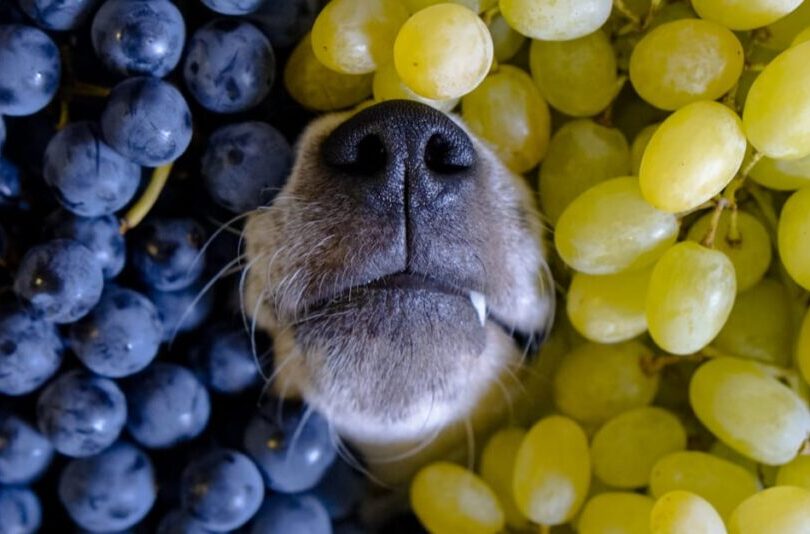
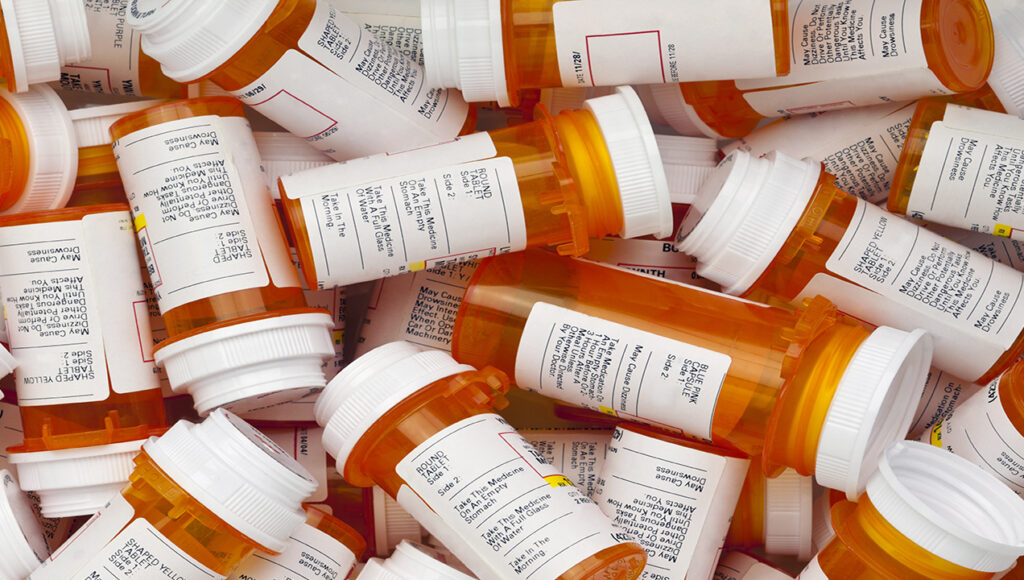
Our furry family members have a knack for getting into things they shouldn’t. From prescription bottles knocked off a counter to a few grapes left on the table, everyday items can pose a serious health risk to pets.
At The Pet Pantry, we believe healthy pets start with knowledge. That’s why we’ve put together this guide on the top 10 household poisons for dogs and cats—what they are, what symptoms to look for, and what steps to take if your pet is exposed.

Top 10 Household Poisons for Pets

  1. Human Prescription Medications
    • Drugs like SSRIs (used for depression and anxiety) can cause serious side effects in pets.
      Signs of toxicity: sedation, agitation, vomiting, seizures, diarrhea, abdominal pain, or high body temperature.
  2. Amphetamines
    • These include prescription medications for ADHD (like Adderall) as well as illegal substances such as methamphetamine or ecstasy.
      Signs of toxicity: hyperactivity, tremors, seizures, vomiting, diarrhea, increased heart rate, panting, or excessive drooling.
  3. Sleep Aids
    • Medications like Ambien and Lunesta may calm you, but they can do the opposite for pets.
      Signs of toxicity: anxiety, agitation, tremors, lack of coordination, nausea, vomiting, diarrhea, or overheating.
  4. Grapes, Raisins, and Currants
    • Even small amounts can cause acute kidney failure in dogs.
      Signs of toxicity: vomiting, diarrhea, dehydration, abdominal pain, lethargy, or refusal to eat. Symptoms can appear within 24 hours.
  5. NSAIDs (Non-Steroidal Anti-Inflammatory Drugs)
    • Common pain relievers like ibuprofen (Advil) or naproxen (Aleve) can harm your pet’s stomach, kidneys, and nervous system. Cats are especially vulnerable.
      Signs of toxicity: loss of appetite, vomiting, diarrhea (sometimes black/tarry), abdominal pain, dehydration, or lethargy.
  6. Acetaminophen (Tylenol)
    • Safe for humans but toxic for pets, especially cats.
      Cats: facial swelling, breathing difficulty, brown gums, vomiting, or loss of appetite.
      Dogs: liver damage leading to lethargy, vomiting, jaundice, or neurological symptoms.
  7. Xylitol
    • This sugar substitute is found in sugar-free gum, candies, peanut butter, mints, toothpaste, and chewable vitamins. Even a small amount can be deadly.
      Signs of toxicity: vomiting, weakness, collapse, lethargy, tremors, or dangerously low blood sugar.
  8. Rodent Poison (Bait Stations)
    • Often flavored to attract pests—but also tempting to pets. Symptoms may not appear for up to 48 hours.
      Signs of toxicity: vomiting, bloating, abdominal pain, tremors, seizures, difficulty breathing, or internal bleeding.
  9. Household Cleaners
    • Most surface cleaners only cause mild stomach upset, but concentrated cleaners and corrosive chemicals can cause burns and organ damage.
      Prevention tip: keep all cleaners out of paw’s reach and avoid using open containers around curious pets.
  10. Batteries
    • If punctured or chewed, batteries can leak acid or alkaline material, causing severe burns.
      Most dangerous: small lithium “button” batteries, which can cause GI tract damage within 30 minutes of ingestion.

What to Do if Your Pet Ingests Something Toxic

  1. Don’t Wait
    • If you suspect your dog or cat has eaten or chewed something toxic, call your veterinarian immediately. Time is critical.
  2. Contact the Pet Poison Helpline
    • This 24/7 resource provides emergency help and guidance:
      Pet Poison Helpline: 1-855-764-7661
      Website: www.petpoisonhelpline.com
  3. Pet-proof Your Home
    • Store all medications in closed cabinets
    • Keep grapes, chocolate, onions, sugar-free gum, and any other toxic consumables out of reach
    • Dispose of batteries and rodent baits securely

Prevention is the Best Medicine

Accidental poisoning is scary—but it’s also preventable. By educating yourself and pet-proofing your home, you can drastically reduce the risk.
At The Pet Pantry, we’re committed to supporting pet parents with not just nutrition, but resources that keep your furry family safe and healthy. Pair this safety knowledge with our Holistic Choice® pet foods, and you’ll be giving your pets the best of both worlds: a safe home and wholesome meals.

Final Thoughts

Your pet’s safety starts with awareness. From over-the-counter pills to hidden household hazards like xylitol and batteries, knowing what’s dangerous is half the battle.
And remember—if you ever have doubts, call your vet or the Pet Poison Helpline right away. Quick action saves lives!

Is Your Pet Silently Suffering? 6 Key Signs of Dental Disease to Watch For

As pet parents, we love the cuddles and sloppy kisses from our furry companions. But if you find yourself turning away because of your pet’s bad breath, it might be a sign of something more serious than just what they had for dinner.

Dental disease, also known as periodontal disease, is one of the most common health problems diagnosed in adult dogs and cats. It’s often a silent issue that progresses without us even noticing. The good news is that with a little knowledge and proactive care, you can protect your pet’s pearly whites and their overall health.

This guide will walk you through what causes dental disease, the key signs to look for, and how you can keep your pet’s mouth healthy and pain-free.

What Is Pet Dental Disease and Why Does It Matter?

Just like in humans, the process of dental disease starts with the buildup of bacteria on the teeth, forming a sticky film called plaque. When plaque isn’t removed, it hardens into tartar—a tough, yellowish-brown deposit.

If left untreated, this tartar buildup can cause significant problems:

  1. Inflammation: Tartar can grow under the gumline (the gingiva), causing inflammation, redness, and pain. This initial stage is known as gingivitis.
  2. Bacterial Infection: The real trouble begins as harmful bacteria thrive in this environment. They produce toxins that start to destroy the gum tissue and the supporting structures of the teeth.
  3. Bone and Tooth Loss: Over time, this infection can lead to bone loss in the jaw, causing teeth to become loose and eventually fall out or require extraction by a veterinarian.

The danger doesn’t stop in the mouth. In severe cases, bacteria from the infected gums can enter the bloodstream and travel throughout the body, potentially causing serious infections and damage to vital organs like the heart, liver, and kidneys.

6 Key Signs of Dental Disease in Your Pet

Your pet can’t tell you when their mouth hurts. That’s why it’s crucial for you to be vigilant and watch for these common warning signs.

1. Discoloration on the Teeth

  • Look for a yellowish or brown crust on the tooth surface, especially on the back molars and canine teeth. This is hardened tartar and a clear indicator that a dental cleaning is needed.

2. Persistent Bad Breath (Halitosis)

  • While “doggie breath” is a common phrase, excessively foul or unusual odors from your pet’s mouth are not normal. This is often caused by the bacteria associated with dental disease.

3. Red, Swollen, or Bleeding Gums

  • Healthy gums should be a firm, light pink color. If you notice your pet’s gums are bright red, puffy, or bleed when they eat or chew on a toy, it’s a sign of inflammation (gingivitis).

4. Excessive Drooling

  • While some breeds naturally drool, a sudden increase in drooling or saliva that is tinged with blood can signal oral pain or discomfort.

5. Discomfort While Chewing

  • Have you noticed your pet dropping food, chewing on only one side of their mouth, or shying away when you touch their face? These are classic signs of dental pain. They may also lose interest in hard food or their favorite chew toys.

6. Loose or Missing Teeth

  • This is a more advanced sign of dental disease. If you find a tooth on the floor or notice one is loose, it means the underlying support structures have already been severely damaged

A Proactive Approach: How to Protect Your Pet’s Smile

The best way to manage dental disease is through prevention. A consistent oral hygiene routine can make a world of difference for your pet’s health and comfort.

At-Home Dental Care

Brushing: Regular teeth brushing with a pet-safe toothpaste is the gold standard for removing plaque before it turns into tartar.

Dental Chews & Toys: Certain chewing devices and toys are specially designed with ridges and textures that help scrape plaque off your pet’s teeth as they chew.

Special Diets & Treats: Ask your veterinarian about diets and treats formulated to help reduce plaque and tartar buildup. The crunchy kibble and unique shapes can create a brushing-like action.

Professional Veterinary Cleanings

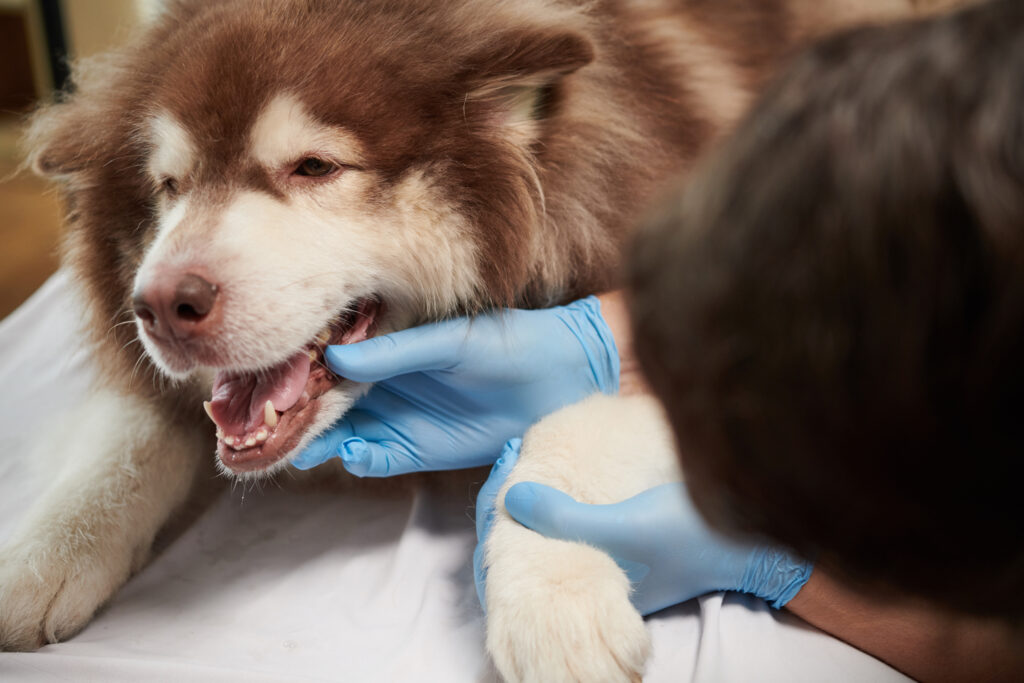
For most pets, at-home care isn’t enough to completely prevent tartar. That’s why a yearly professional dental cleaning by your veterinarian is essential. During this procedure, your pet is safely placed under anesthesia, allowing the veterinary team to thoroughly clean, scale, and polish each tooth—both above and below the gumline. This process removes all plaque and tartar buildup, reduces inflammation, and helps prevent future health complications.

Plus, it has the wonderful side effect of getting rid of that dreaded “doggie breath”!

Don’t Wait—Check Your Pet’s Smile Today

Your pet’s oral health is a critical window into their overall well-being. By being proactive and watching for the key signs of dental disease, you can prevent unnecessary pain and costly health problems down the road.

While February is National Pet Dental Health Month, there’s no wrong time to focus on your pet’s oral hygiene. Take a moment to check your pet’s teeth and gums today. If you notice any of the signs we’ve discussed, or if you have any questions, please contact your veterinarian. They can provide a full dental assessment and recommend the best course of action to keep your beloved companion happy, healthy, and full of fresh-breathed kisses for years to come.